Project
Long Beach City Hall and Port of Long Beach Headquarters
Long Beach, California, United States
01/
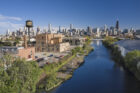
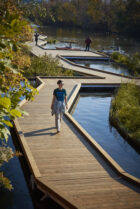
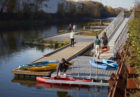
A community-stewarded eco-park is reshaping a branch of the Chicago River—from a former industrial canal into a vibrant habitat for wildlife and a living laboratory for education, research, and recreation.
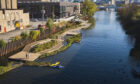
The Wild Mile is a 17-acre floating eco-park designed to restore natural habitats and reconnect the public to the North Branch Canal. Envisioned as a place for wildlife, education, and recreation, it brings to life a community-led vision of transforming a heavily industrialized stretch of the Chicago River into a shared civic and ecological resource. The project strengthens neighborhood connections, supports cleaner water, and fosters more resilient ecosystems along the river’s edge.
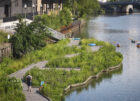
Located along the east side of Goose Island at the North Branch Canal and Turning Basin, the site has been identified for ecological restoration since the 2003 Chicago Central Area Plan. In 2016, Urban Rivers and SOM took the first step by installing a 1,500-square-foot floating garden. Since then, the Wild Mile has grown through close collaboration with the City of Chicago, O-H Community Partners, Near North Unity Program, Omni Ecosystems, Tetra Tech, and local residents who continue to shape the park’s priorities and design.
The first 400 linear feet of the park officially opened to the public in 2022, followed by an additional 300 feet in the summer of 2024. Future phases are in development as funding and support continue to grow.
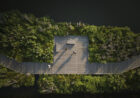
Once a vast network of wetlands formed by glacial movement, the Chicago River was reshaped over the past 150 years to serve the city’s growing industries. Steel mills, lumber yards, and factories built along the banks altered the river’s course and introduced heavy pollution to the waterway.
Today, a new era of stewardship is underway—one that seeks to reclaim the river as a civic space. As part of this broader transformation, the Wild Mile provides a new model for reclaiming industrialized waterways, reconnecting the public to the river through education, access, and ecological restoration.
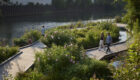
Our challenge is to create truly regenerative cities, designed to restore the natural environment in concert with urban development and growth.
The Wild Mile is conceived as a living laboratory, and its design is rooted in community input, drawing on the perspectives of ecologists, educators, artists, and neighborhood organizations to reflect the needs of the Near North Side.
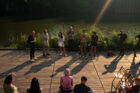
Public access emerged as the most important community priority. Residents called for safe, accessible routes to the river, linked to citywide greenways, including pedestrian paths and separated bikeways. Equally important were calls for free or low-cost programming, spaces for community gatherings, and opportunities for volunteering. One outcome: the launch of the River Rangers, a citizen science initiative where volunteers monitor reintroduced species and collect data on the evolving ecosystem.
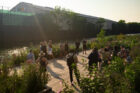
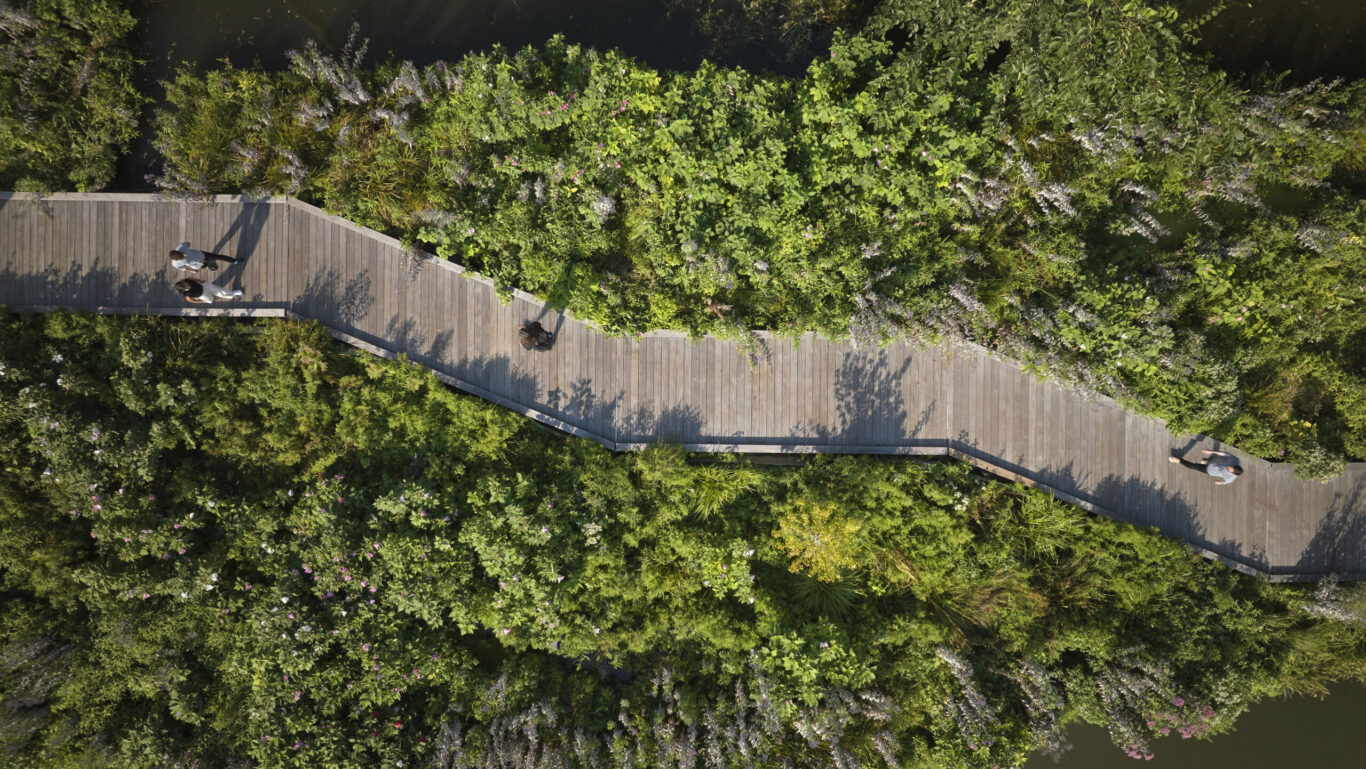
Since the first phase opened in 2021, the Wild Mile has introduced floating gardens, kayak docks, public boardwalks, bike paths, and habitat zones that support both people and wildlife. These interventions create soft edges along the canal, transforming a formerly inaccessible industrial channel into a welcoming public space.
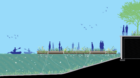
The ecological strategy is based on restoring four key habitat zones—Upland, Riparian, Emergent, and Aquatic—that historically thrived along the river’s banks. In contrast to today’s hardened edges and seawalls, the Wild Mile’s floating infrastructure reintroduces the gradual transitions between land and water that native species depend on.
Together, these layered interventions advance a bold, community-led vision, where urban infrastructure and natural systems work in harmony to create a healthier, more connected Chicago.
Long Beach, California, United States
01/