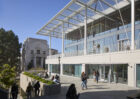
Science is always evolving. As we think about the future of academic research and education, we have to embrace a fundamental shift in how tomorrow’s problems will be solved.
“For much of the past century, siloed departments helped universities focus research and frame complex problems,” says SOM Science Practice Leader Nick Kahler. “The next generation of science and engineering hubs is moving toward a more fluid exchange of ideas—through informal, collaborative, and multidisciplinary models of learning and research.”
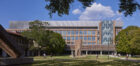
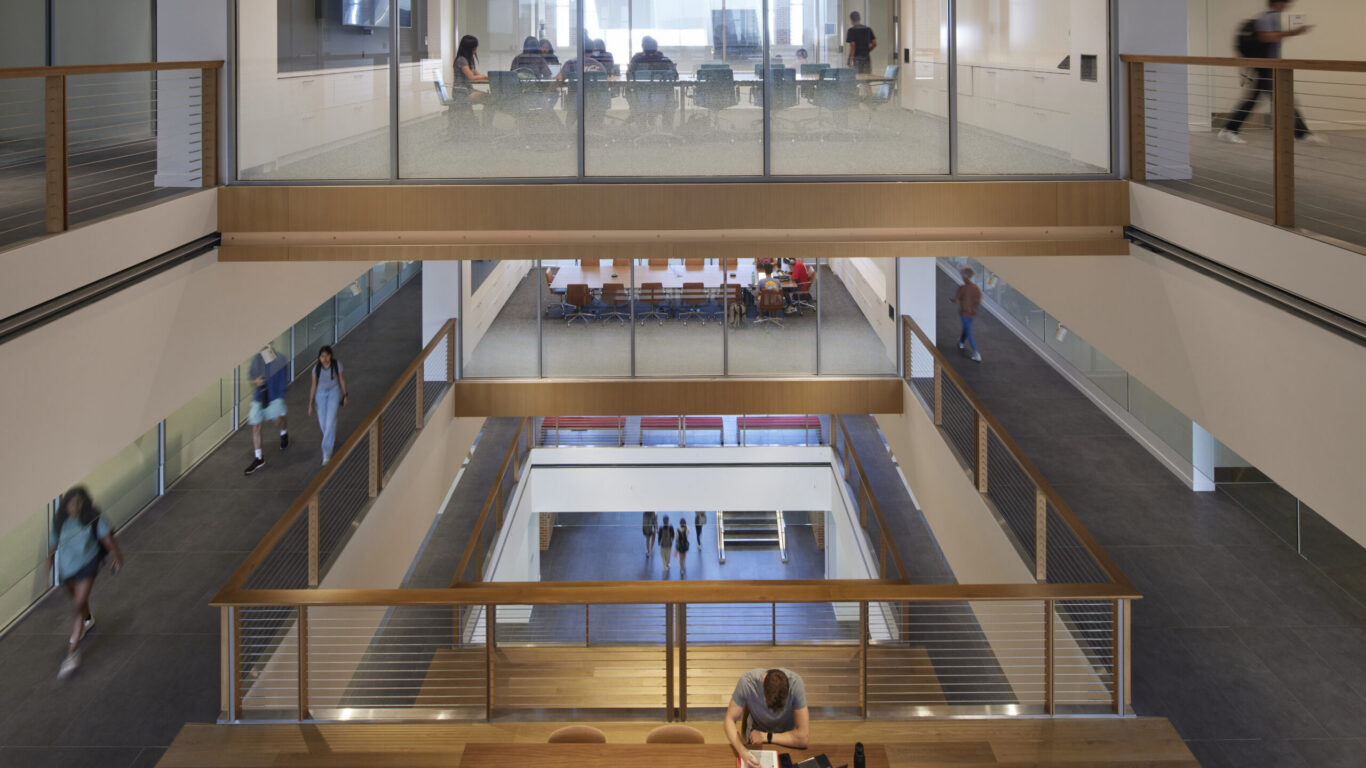
The Ralph S. O’Connor Engineering and Science Building at Rice University positions serendipitous interactions as a driver of innovation. Its five-story central atrium extends the new engineering quad and open campus fabric into the building, creating a network of collaboration spaces, double-height lounges, and informal meeting areas that bring researchers, students, and faculty into closer contact. Designed as a flexible chassis constructed on a core-and-shell with subsequent fitout model, the building can adapt as research priorities evolve. Its brick and stone arcade translates Rice’s historic Mediterranean Revival language into a high-performance environmental strategy for Houston’s climate.
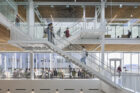
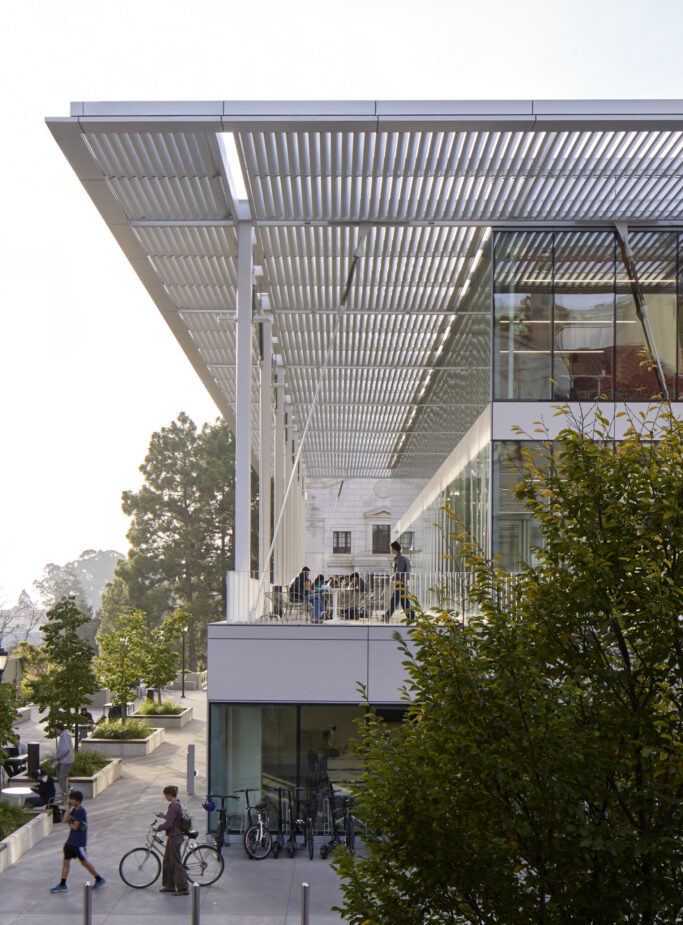
This emphasis on exchange also depends on visibility. SOM’s transformation of UC Berkeley’s Grimes Engineering Center turns an existing Brutalist-style structure into a lightweight glass-and-steel pavilion that makes engineering more open, accessible, and connected to campus life. Instructional, workplace, and entrepreneurial engineering programs are organized around a three-story forum, making resources easier to find and encouraging students from different backgrounds to cross paths. The building’s transparent facade opens it to the campus, while its expressed seismic-responsive shape-memory alloy structure turns resilience into a teaching tool.
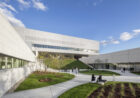
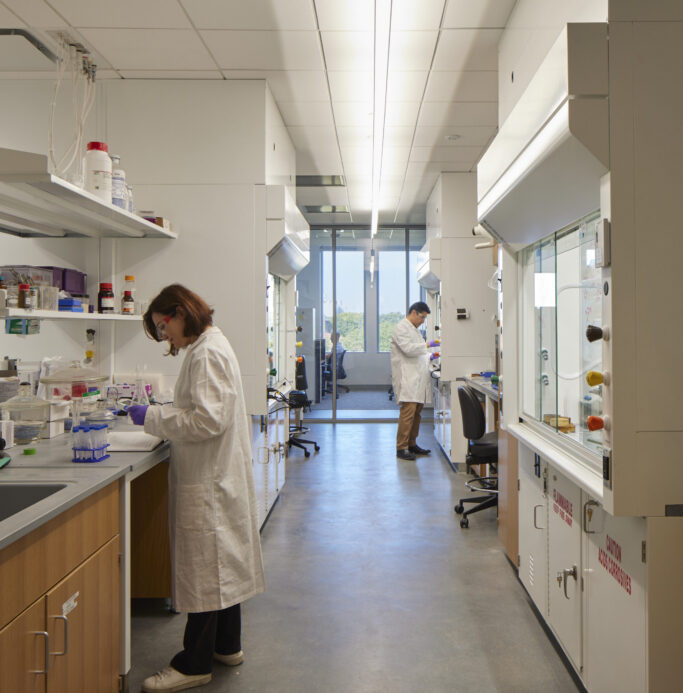
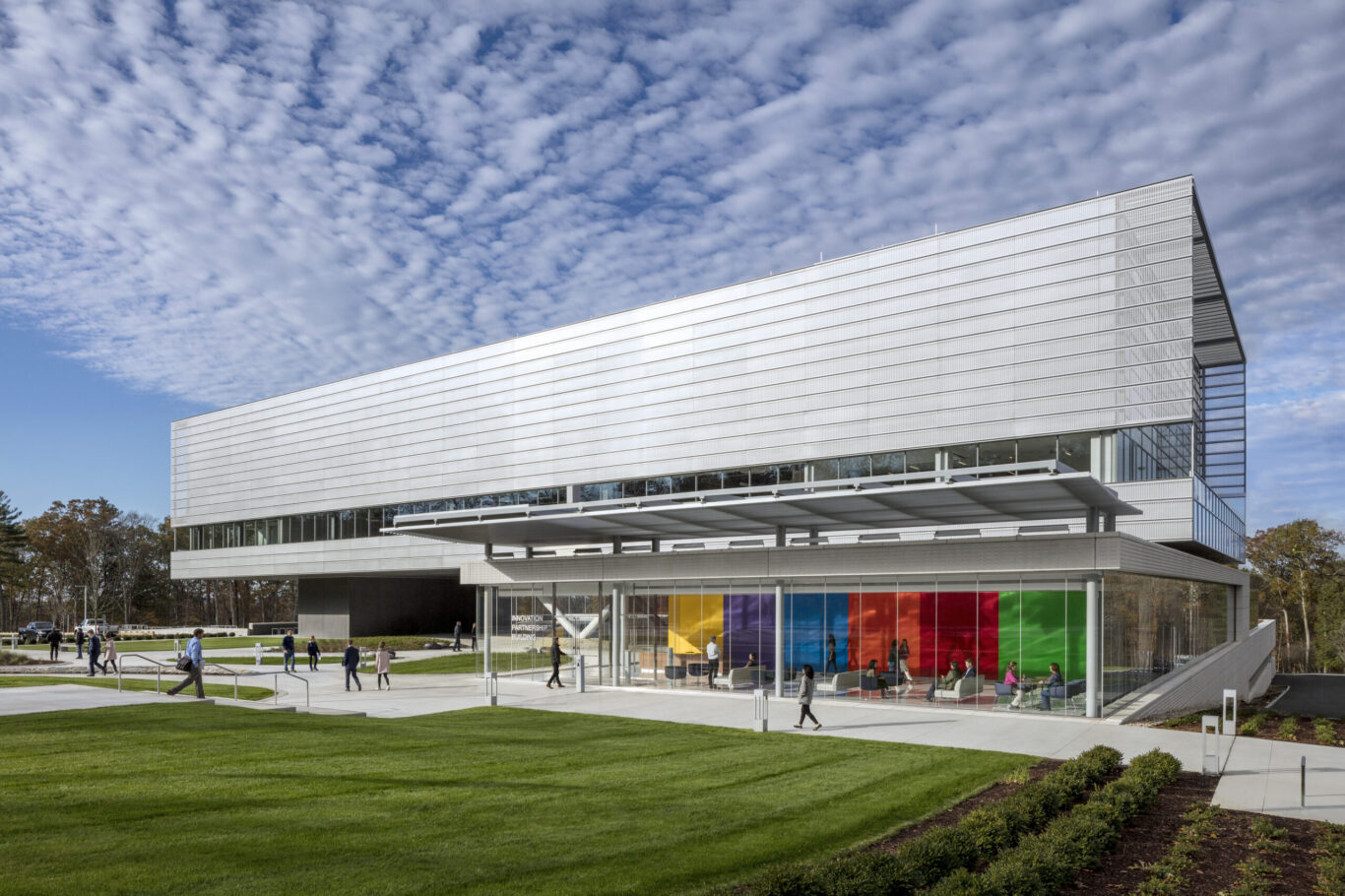
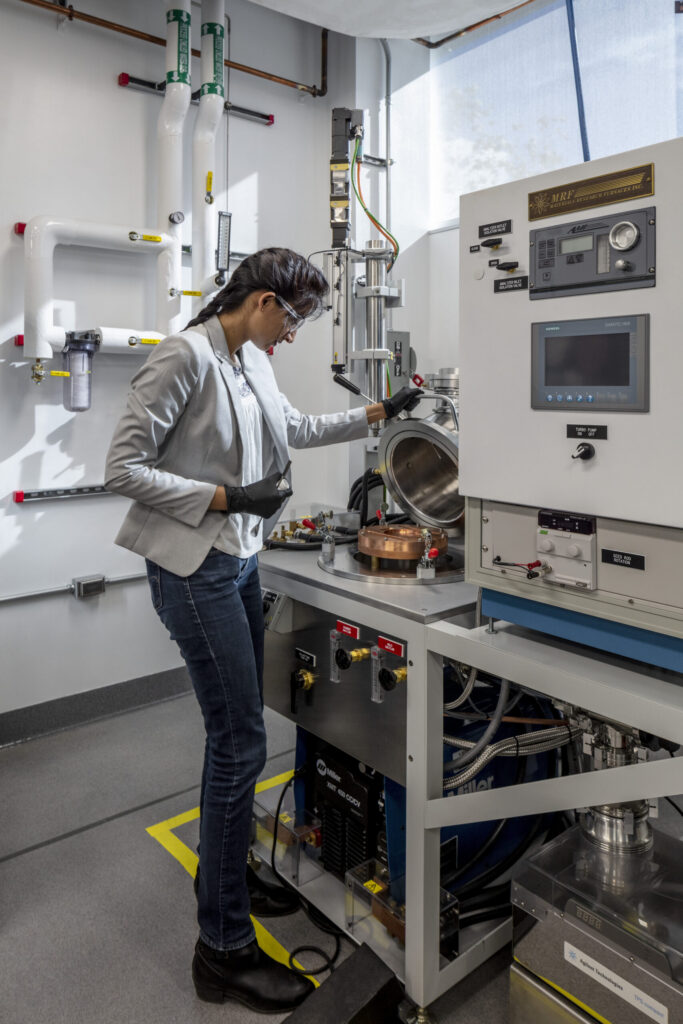
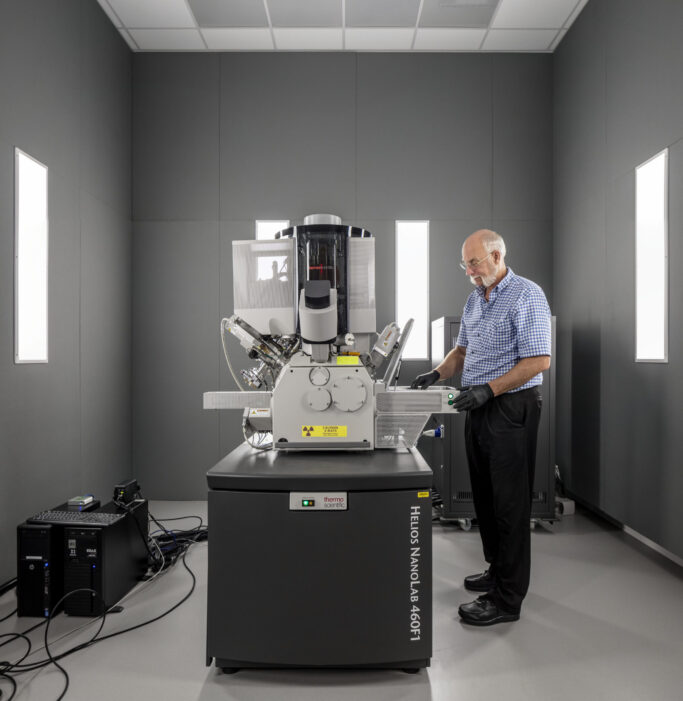
This exchange can also extend beyond the university, creating new models for partnership between academia and industry. The Innovation Partnership Building (IPB) at the University of Connecticut emerged from a campus-wide master plan that identified the need for a new innovation district, with IPB serving as the first building and catalyst for the broader Tech Campus. Its collaboration hub, core-and-shell research labs, and specialized facilities for advanced imaging, high-bay research, and additive manufacturing support UConn faculty, students, staff, industry partners, and national labs—turning the building into a shared platform for discovery, training, and applied innovation.
For 90 years, SOM has thrived as an interdisciplinary practice, uniting architecture, engineering, planning, and design to reframe problems and connect disparate fields. Applied to science and engineering education, that same model can create porous, living laboratories that spark dialogue, adapt as research changes, and prepare students to solve problems no single discipline can address alone.