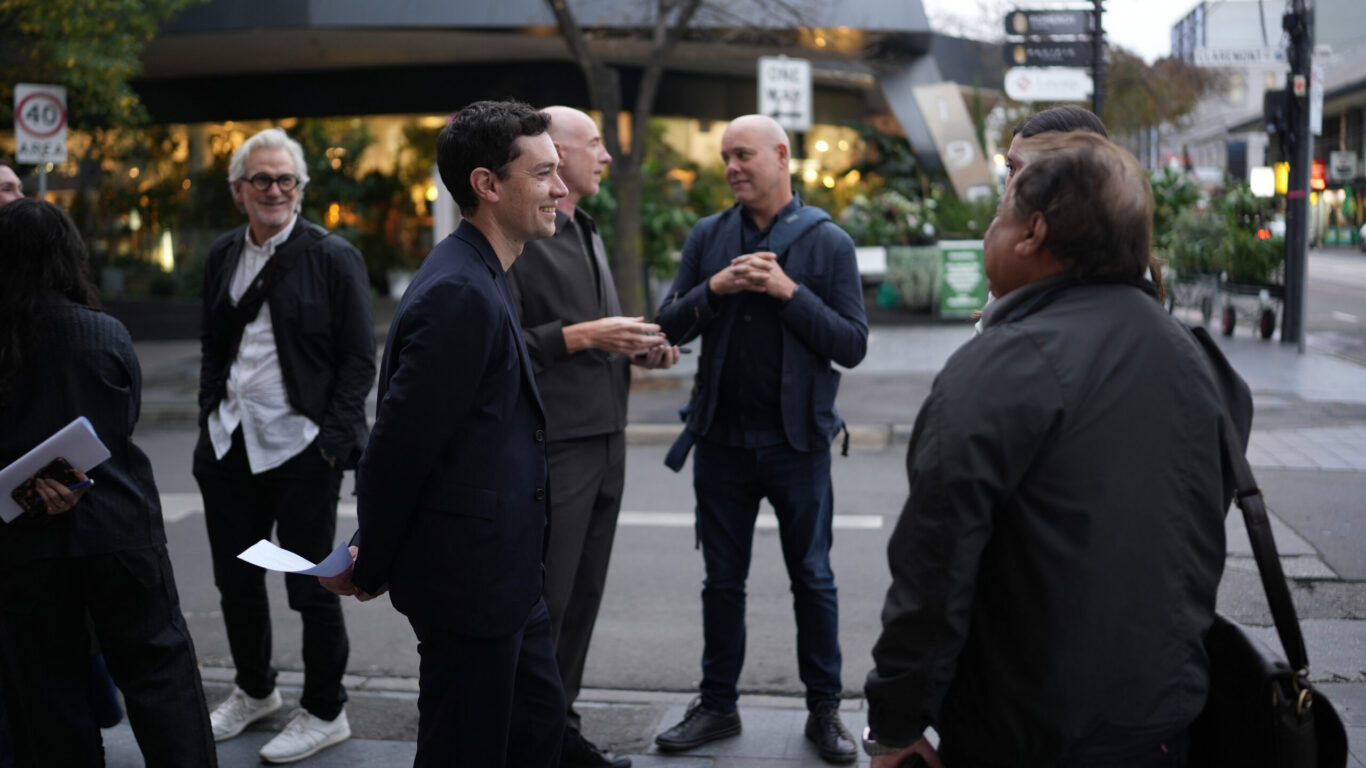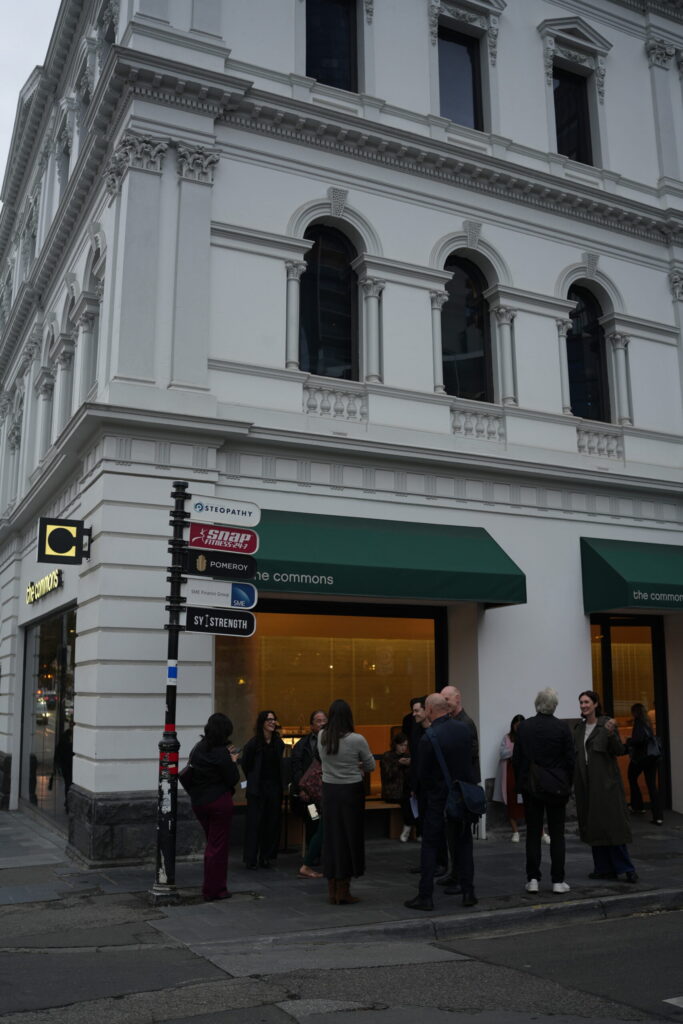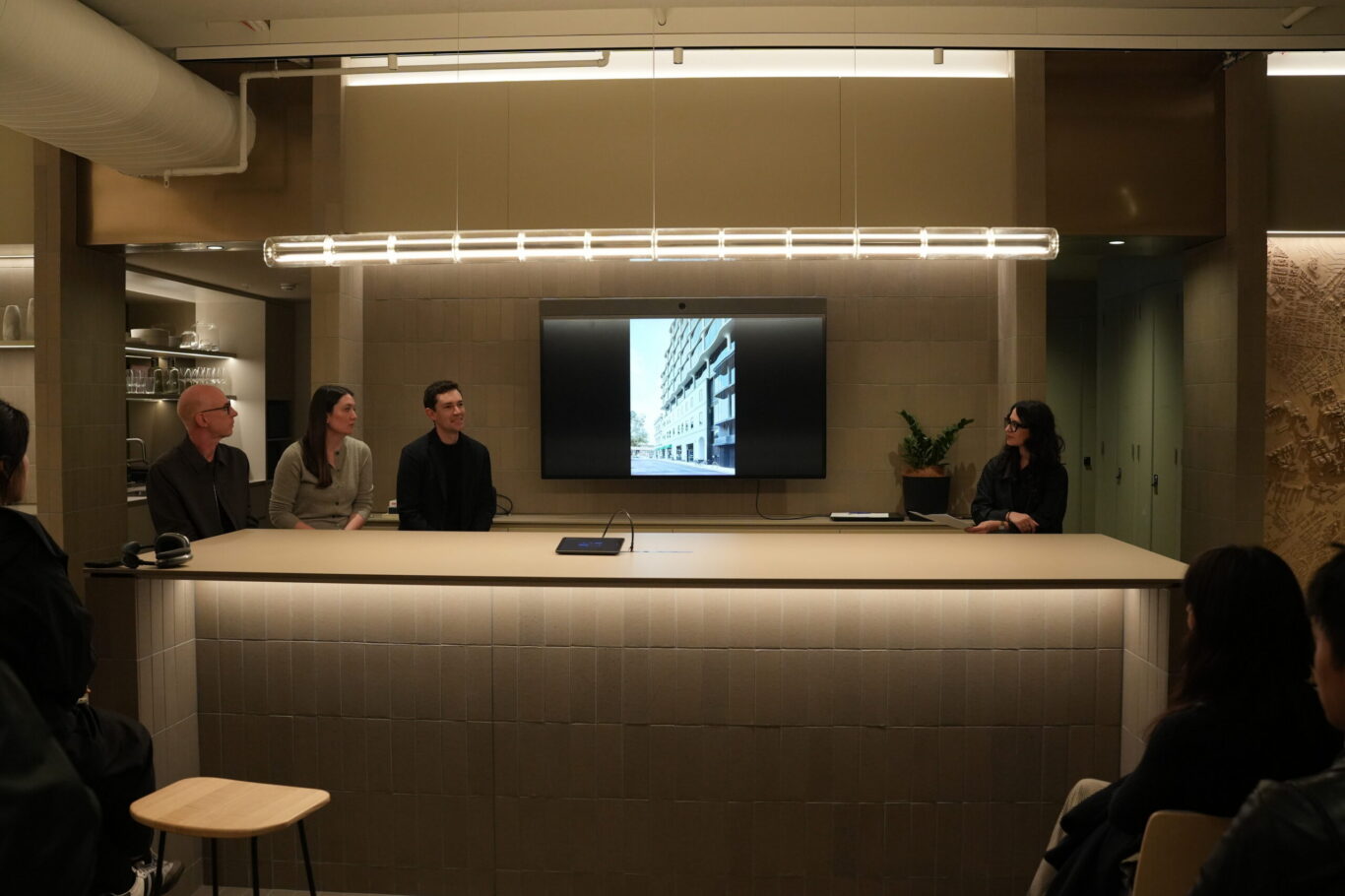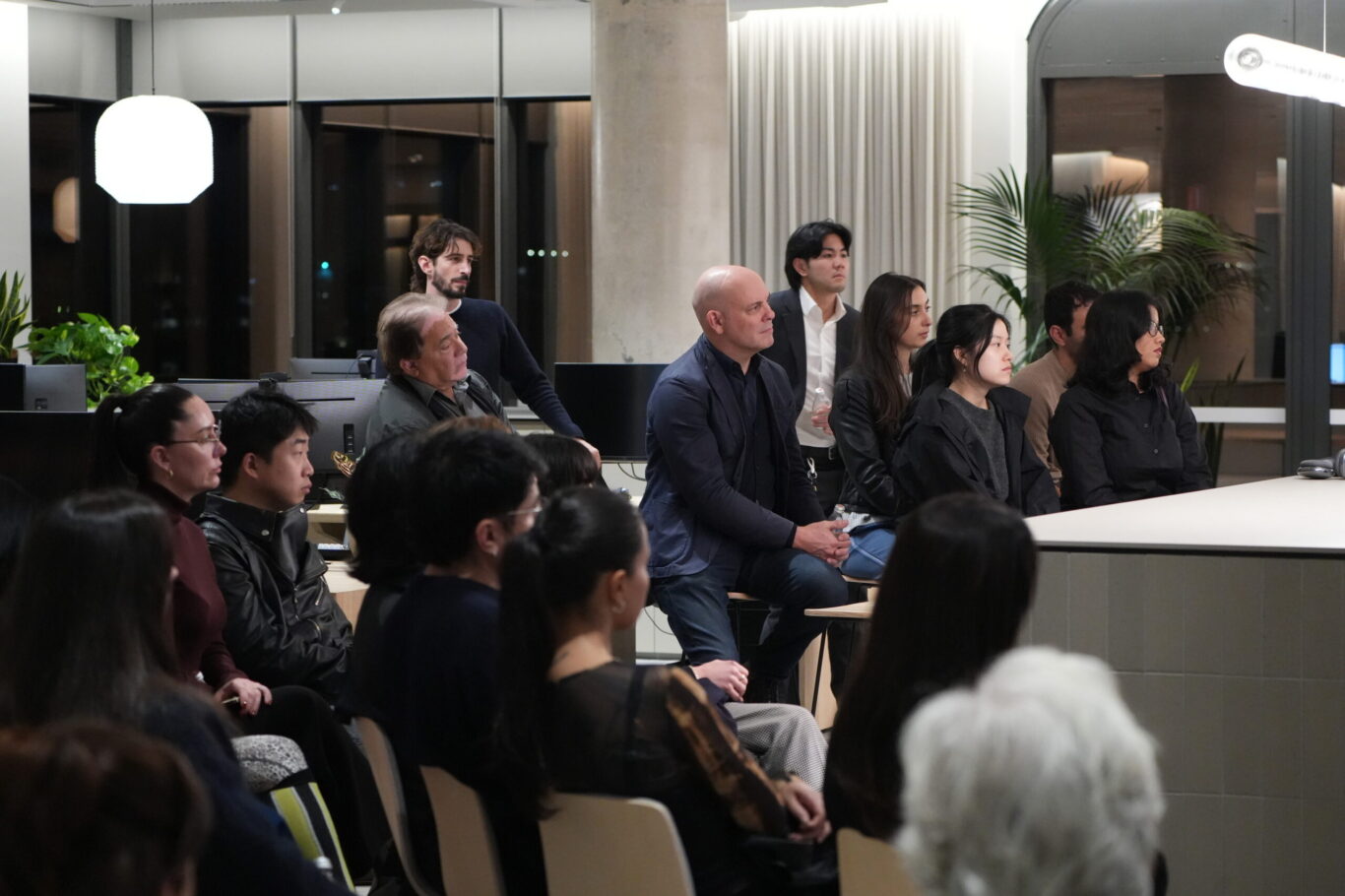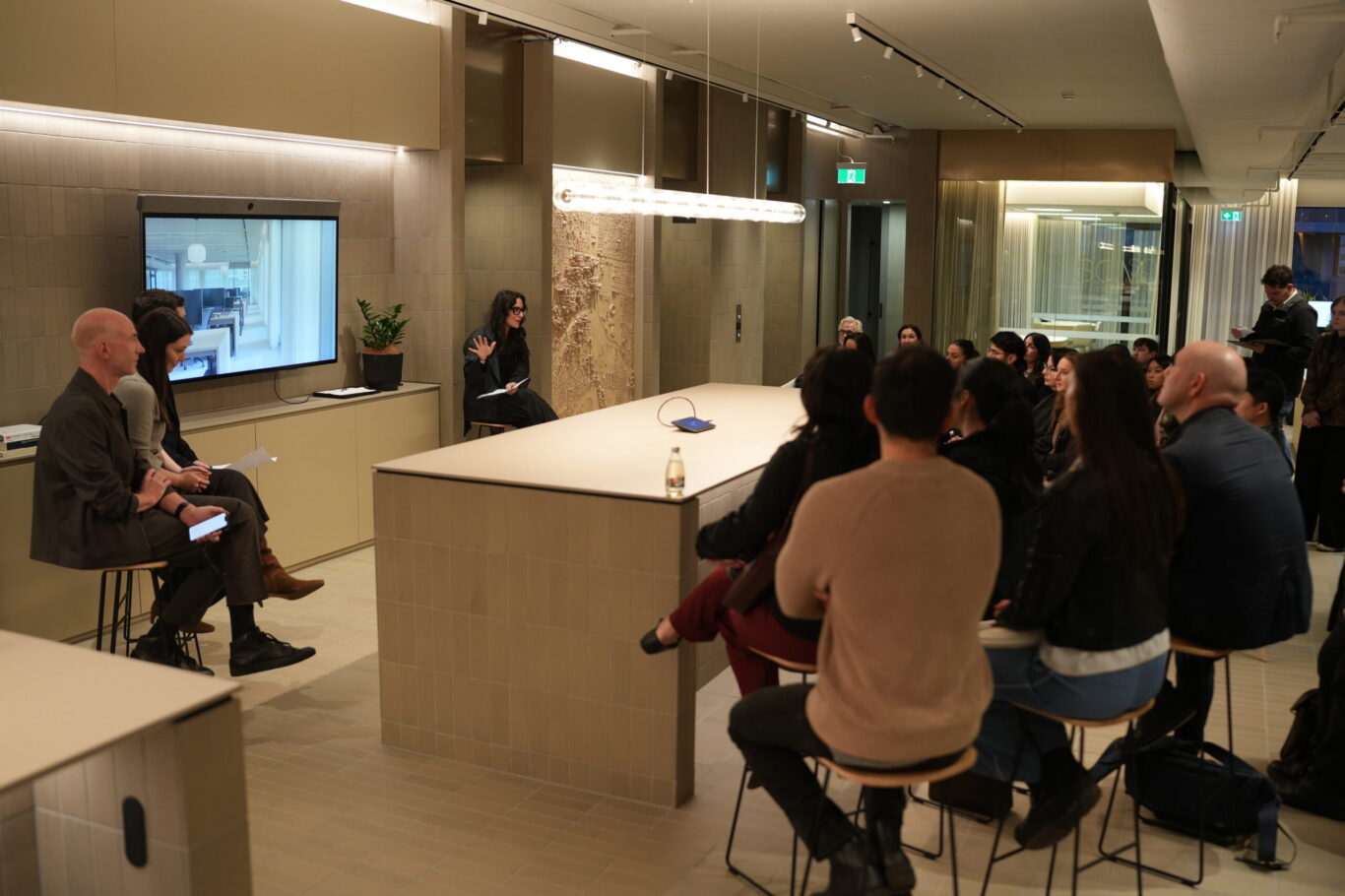
As part of Melbourne Design Week, Skidmore, Owings & Merrill (SOM) and DesignOffice hosted Workplace x Wellness, a public event exploring how architecture, interiors, leadership, and operations can come together to support wellbeing in the workplace.
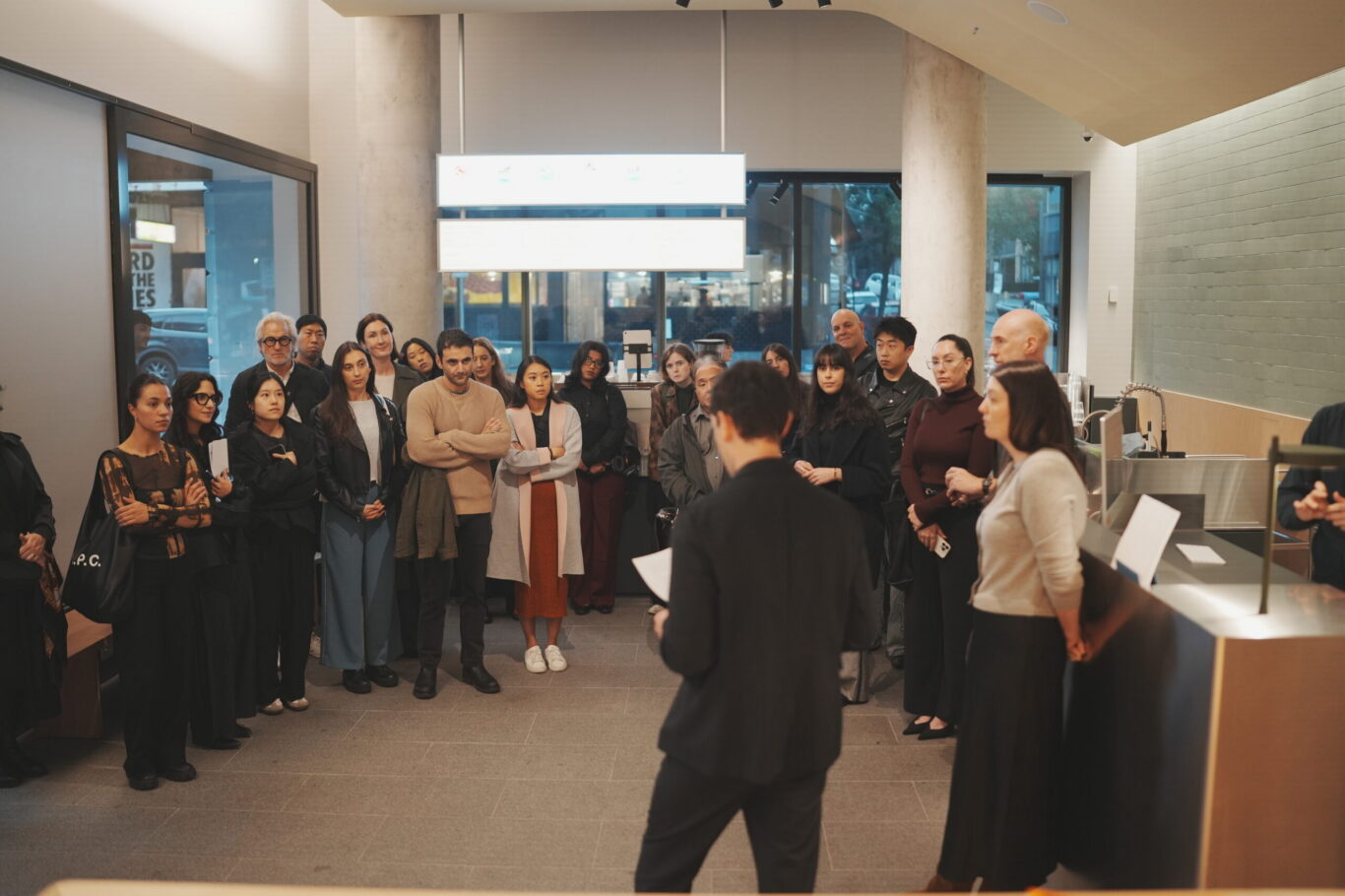
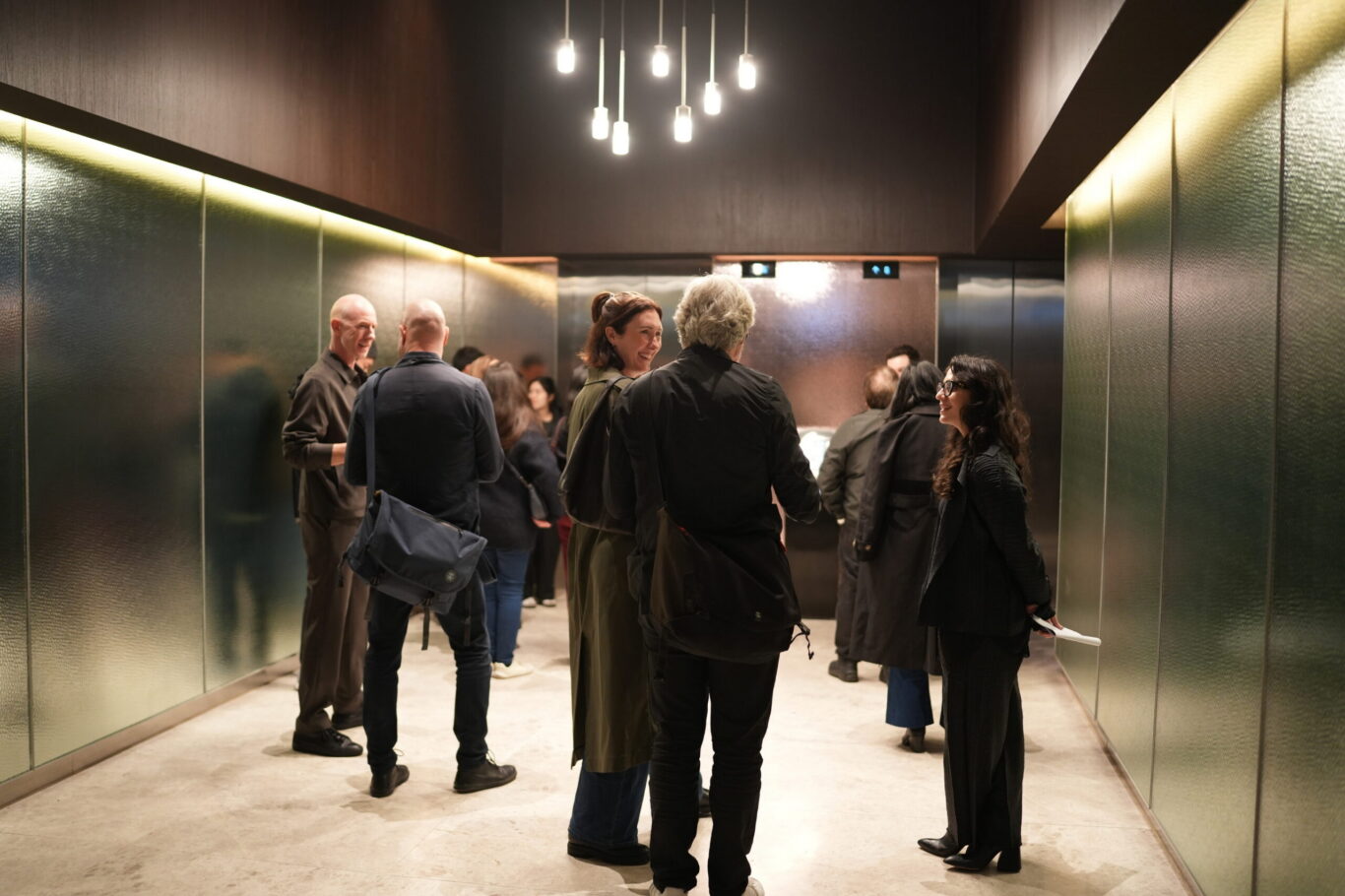
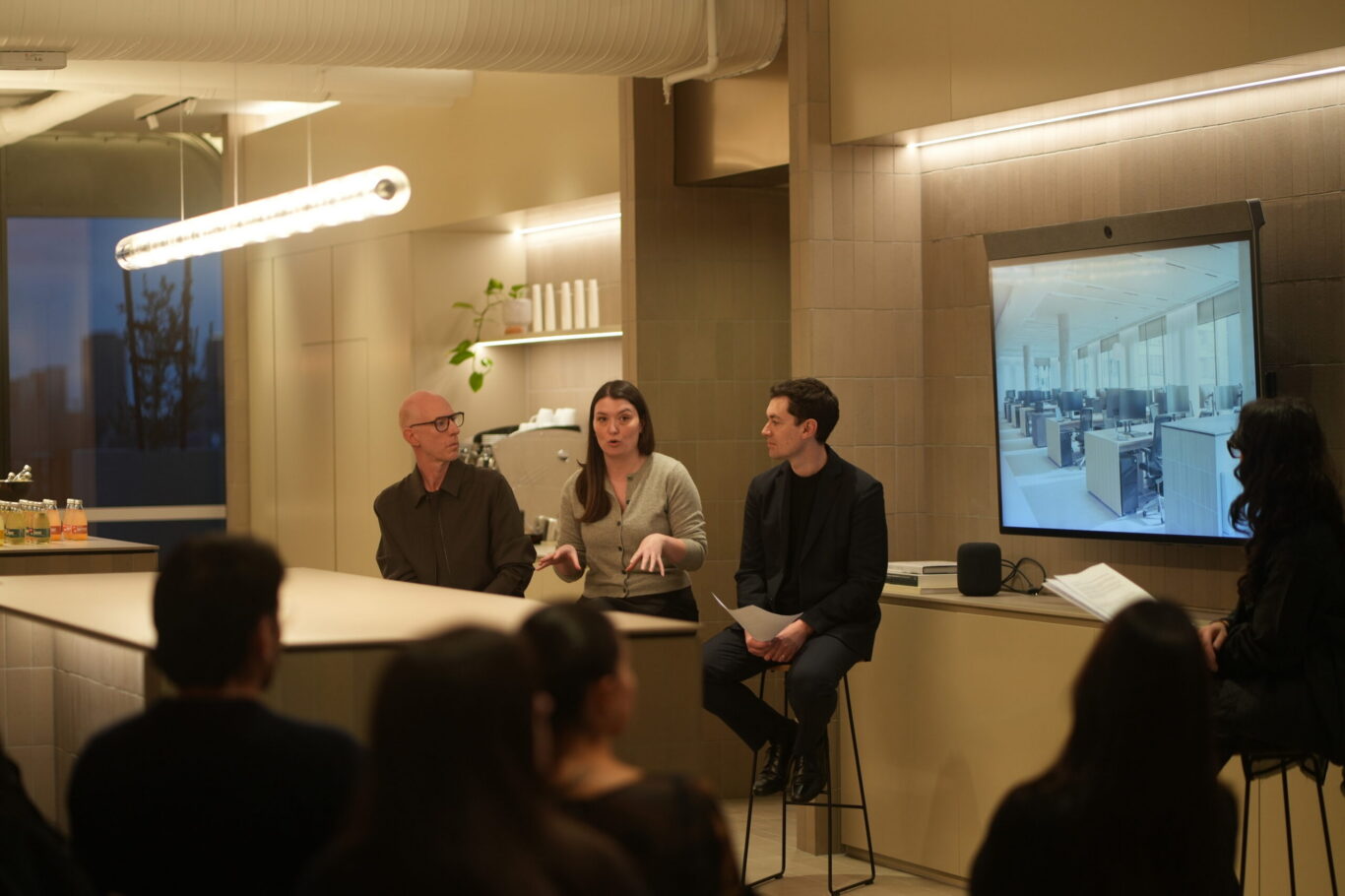
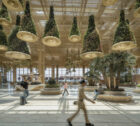
Held at SOM’s new studio at 189 Toorak Road in South Yarra, the event used the building itself as a live case study. Attendees began with a guided tour from The Commons Health Club Cafe through to SOM’s workplace floor, experiencing firsthand how movement, amenity, lighting, acoustics, materiality, and access to outdoor space can help shape healthier daily rituals. The tour was followed by a panel discussion and Q&A with Mark Simpson of DesignOffice, and SOM Lead Designers Jarrad Morgan and Kate Salisbury.
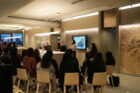
The conversation, moderated by Associate Principal Peta Michaelides, considered how workplace wellness can move beyond amenity-led “perks” toward long-term behavior change. Panelists discussed the value of intentionally overlapping hospitality, health, and workspaces to encourage movement, informal interaction, and a stronger sense of community. This approach is embedded throughout 189 Toorak Road, where a mix of shared amenities, generous circulation, and layered social spaces supports what the panel described as “friendly collisions” throughout the day.

The building’s relationship to place also shaped the discussion. By placing a visually light structural lattice above the historic facade, 189 Toorak Road maintains the presence of the streetscape while introducing a contemporary workplace model. The project also reinterprets the site’s historical “Coffee Palace” typology—an early Melbourne hybrid of hospitality, commerce, and social exchange—into a modern precinct that blurs the boundaries between work, wellness, and public life.
Panelists also addressed the importance of sensory and inclusive design. SOM’s studio incorporates circadian dimmable lighting, acoustic strategies, natural materials, and a range of work settings to support different modes of focus, collaboration, and recovery. Stepped terraces and outdoor gathering areas give employees direct access to fresh air, daylight, and nature, helping to mitigate overstimulation while creating space for both individual work and communal rituals.
The event concluded with practical takeaways for organizations seeking to support wellbeing without undertaking a full-scale workplace transformation. Panelists encouraged attendees to test simple, low-cost interventions, from rethinking circulation and shared food moments to creating informal “third spaces” and organizing community-based initiatives with neighboring tenants.