The Springs District

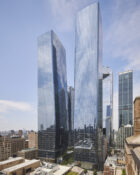
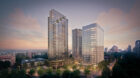
In the heart of Uptown Dallas, Springs District is a mixed-use development anchored by a thoughtfully designed plaza and a trio of architecturally distinctive buildings that reflect and enhance the unique character of the area.

Project Facts
  • Size Site Area: 3.98 acres Building Height: 415 feet Number of Stories: 33 Building Gross Area: 1,396,000
  • Keys 200
  • Sustainability Certifications LEED BD+C NC (New Construction) Gold
Project Facts
  • Size Site Area: 3.98 acres Building Height: 415 feet Number of Stories: 33 Building Gross Area: 1,396,000
  • Keys 200
  • Sustainability Certifications LEED BD+C NC (New Construction) Gold

A new addition to a dynamic district

The design for The Springs District builds on the character of Uptown Dallas—a neighborhood defined by walkable streets connected to urban greenways such as Katy Trail and Klyde Warren Park. The project introduces a collection of three towers that frame a comfortable, human-scaled, landscaped plaza, conceived as an architectural village rather than a singular megaproject. This sequence begins at the prominent Cedar Springs corner, where the tallest structure, a hotel and condominium tower, anchors the site. From here, the buildings step down in height to meet the scale of nearby residential buildings, creating a thoughtful transition to the neighborhood.

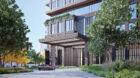
Within this setting, the plaza is connected by three gateways. Along Cedar Springs Road, a generous, city-facing entry and drop-off establishes a “front door” to the office, retail, and hotel programs. To the east, a pedestrian-oriented paseo links the plaza to Howell Street and the closely connected residential area. On Routh Street, a mid-scale opening accommodates the residential porte cochere while welcoming visitors from the emerging retail corridor across the way.
© SOM

A green haven in an urban center

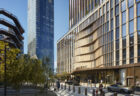
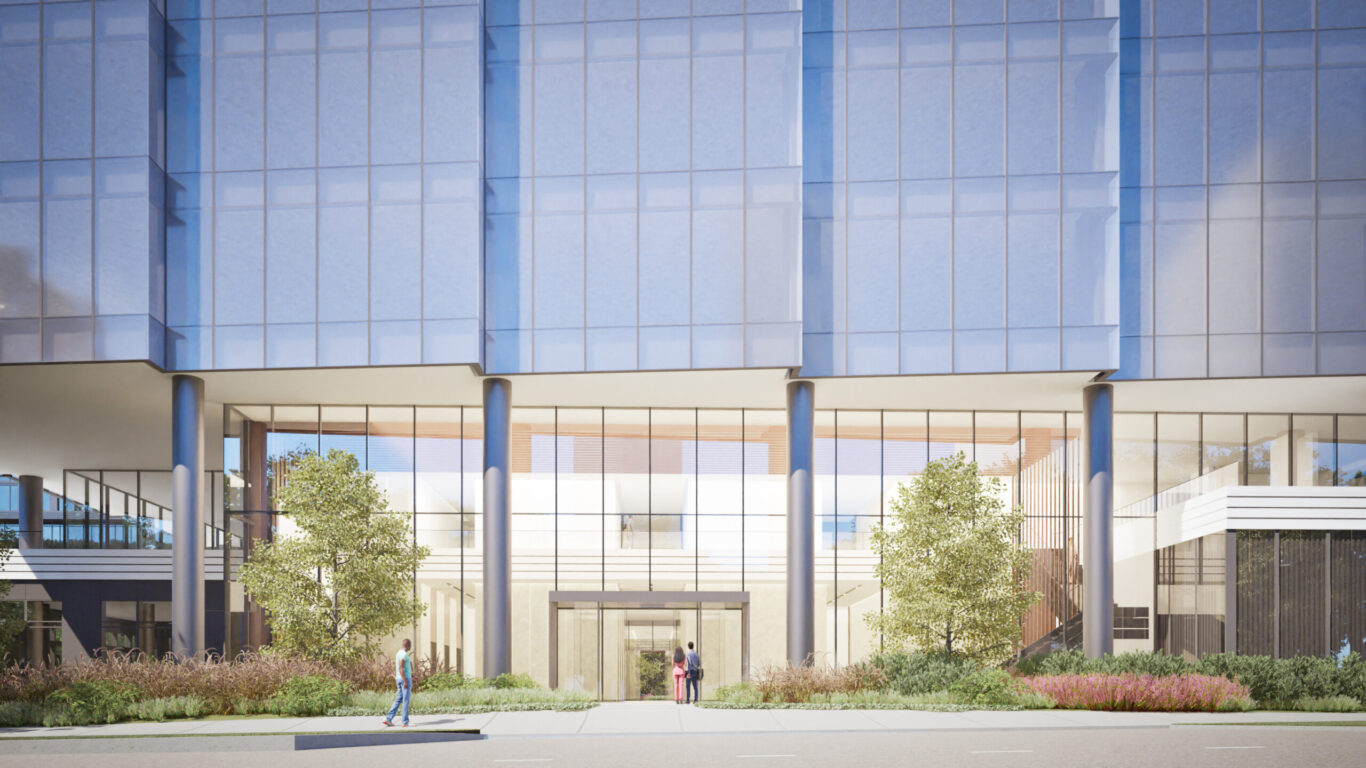
Native plantings, mature trees, and subtly integrated water features throughout the plaza create shaded, usable outdoor spaces that respond to the Dallas climate. At each building’s lower levels, projecting horizontal trays provide shaded entries and loggias along the plaza’s edges, ensuring comfortable activity year-round. These trays also create opportunities for upper-level terraces and a variety of outdoor amenities.

Double-height lobbies, enclosed in transparent glass, invite public access into the central plaza from multiple sides. Each features a signature staircase connecting a “necklace” of upper-level amenities and terraced spaces, extending the landscape experience above the ground plane and activating the buildings’ podiums. Parking is located in an underground structure, in order to maintain the landscaped plaza as an open and car-free pedestrian space.

© SOM

A neighborhood-conscious design

The hotel and condominium building prioritizes indoor-outdoor living, wellness, and social gathering. Large private terraces at the penthouse levels cascade downward, creating a stepped skyline. Loggia-style balconies on all residences and many hotel units provide shade and natural breezes.  At the podium, an elegant terra cotta facade touches down into a lush landscape, and set-back loggias for the spa and meeting spaces bring green terraces up above the ground plane.  


© SOM

The office building’s elegant curved glass facade anchors the urban intersection of Fairmont and Cedar Springs. Vertical folds along the height of the south facade multiply opportunities for corner office views toward Downtown Dallas. Integrated balconies at each office level face the landscaped plaza, while a series of larger amenity terraces allow the building to step down towards the historic State-Thomas neighborhood.  

The residential tower maintains a simple, refined form, accentuated by expressed slab edges and stacked balconies. Thickened horizontal slabs slide out at the base of the tower to create second level amenity terraces for residents. At the building’s crown, a suspended horizontal canopy shades the pool deck.

More Projects

01/