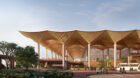
MARTA Five Points Station

  • Client MARTA
  • Expertise Transportation
  • Location Atlanta, Georgia, United States

The retrofit of Atlanta’s busiest train station enhances safety, connectivity, and aesthetics, transforming the transit hub into an inviting downtown destination.

Project Facts
  • Status Design In Progress
  • Size Site Area: 2 acres Building Height: 27.70 feet Building Gross Area: 144,000
  • Transit Mode Bikes, Bus, Heavy Rail, Subway, Taxis/Rideshare
  • Platforms 6
  • Collaborators
    Hummingbird Firm Lerch Bates Corporate Environmental Risk Management, LLC Facet Engineering HGOR Domingo Gonzalez Associates Rohadfox Construction Control Services Corporation Parsons Transportation Group Project Cost Solutions, Inc. Aulick Engineering Studio SHAPE Goode Van Slyke Architecture EXP Axis Infrastructure
Project Facts
  • Status Design In Progress
  • Size Site Area: 2 acres Building Height: 27.70 feet Building Gross Area: 144,000
  • Transit Mode Bikes, Bus, Heavy Rail, Subway, Taxis/Rideshare
  • Platforms 6
  • Collaborators
    Hummingbird Firm Lerch Bates Corporate Environmental Risk Management, LLC Facet Engineering HGOR Domingo Gonzalez Associates Rohadfox Construction Control Services Corporation Parsons Transportation Group Project Cost Solutions, Inc. Aulick Engineering Studio SHAPE Goode Van Slyke Architecture EXP Axis Infrastructure

Reimagining Atlanta’s busiest station

Five Points Station has long served as the nexus of Metro Atlanta’s MARTA transit system—a bustling intersection where all rail lines, several bus routes, and key pedestrian connections meet. Over time, however, the aging concrete structure has dampened the vibrancy of downtown, bifurcating one of the city’s most significant commercial corridors into North and South Broad Street. While North Broad evolved into a lively, active street, South Broad slipped into decline and became a symbol of urban decay. 

The station sits at the center of a revitalized district, with nearby destinations including Mercedes-Benz Stadium and Georgia State University. SOM has been charged with reimagining the plaza and concourse for this 144,400-square-foot transit hub as a renewed civic anchor—one that reconnects fractured streets, restores a sense of place, and weaves Atlanta’s rich history and culture into an inviting public realm.
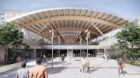

© SOM

Activating the plaza

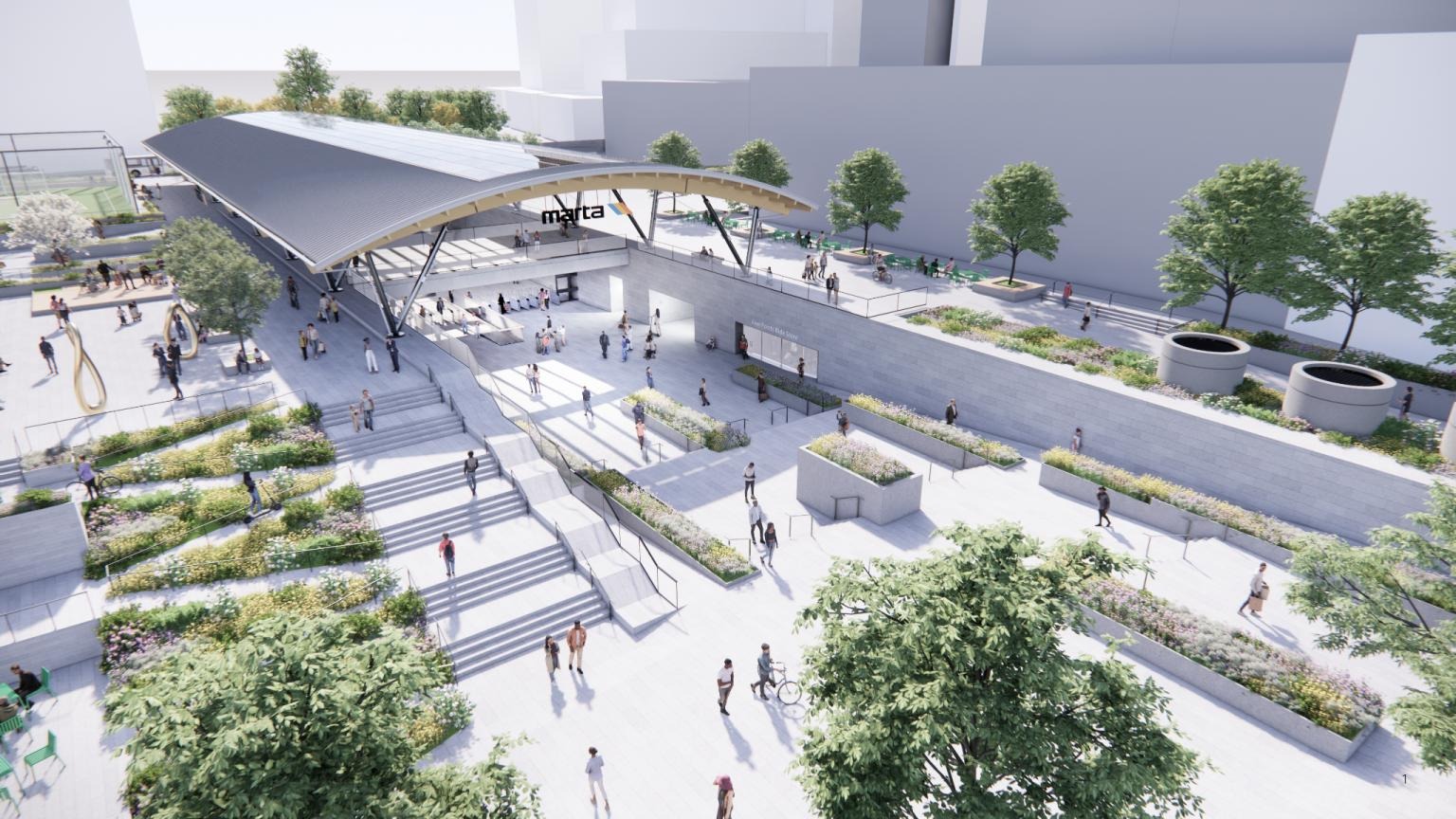
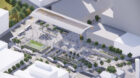
The project dramatically improves circulation and safety at the station, creating a walkable public plaza that enhances the travel experience and introduces a welcoming, open space for the community. Plantings and trees delineate pathways, offer shade, and bring much-needed greenery to the neighborhood. A redesigned east-west circulation spine provides clear sightlines and intuitive access to transit, while new bridges restore the north-south connection of Broad Street. Along the southern edge, an expanded plaza improves pedestrian flow, with bus access shifted to the periphery to support efficient intermodal connections. 

Building on MARTA’s longstanding commitment to community engagement, the new plaza introduces a variety of amenities and gathering spaces. These include an existing soccer pitch, community garden, ample seating, and a flexible plaza for retail pop-ups, markets, performances, and cultural events. Together, these spaces transform the site into a civic destination that serves both travelers and the surrounding community. 

© SOM

Maximizing light and openness

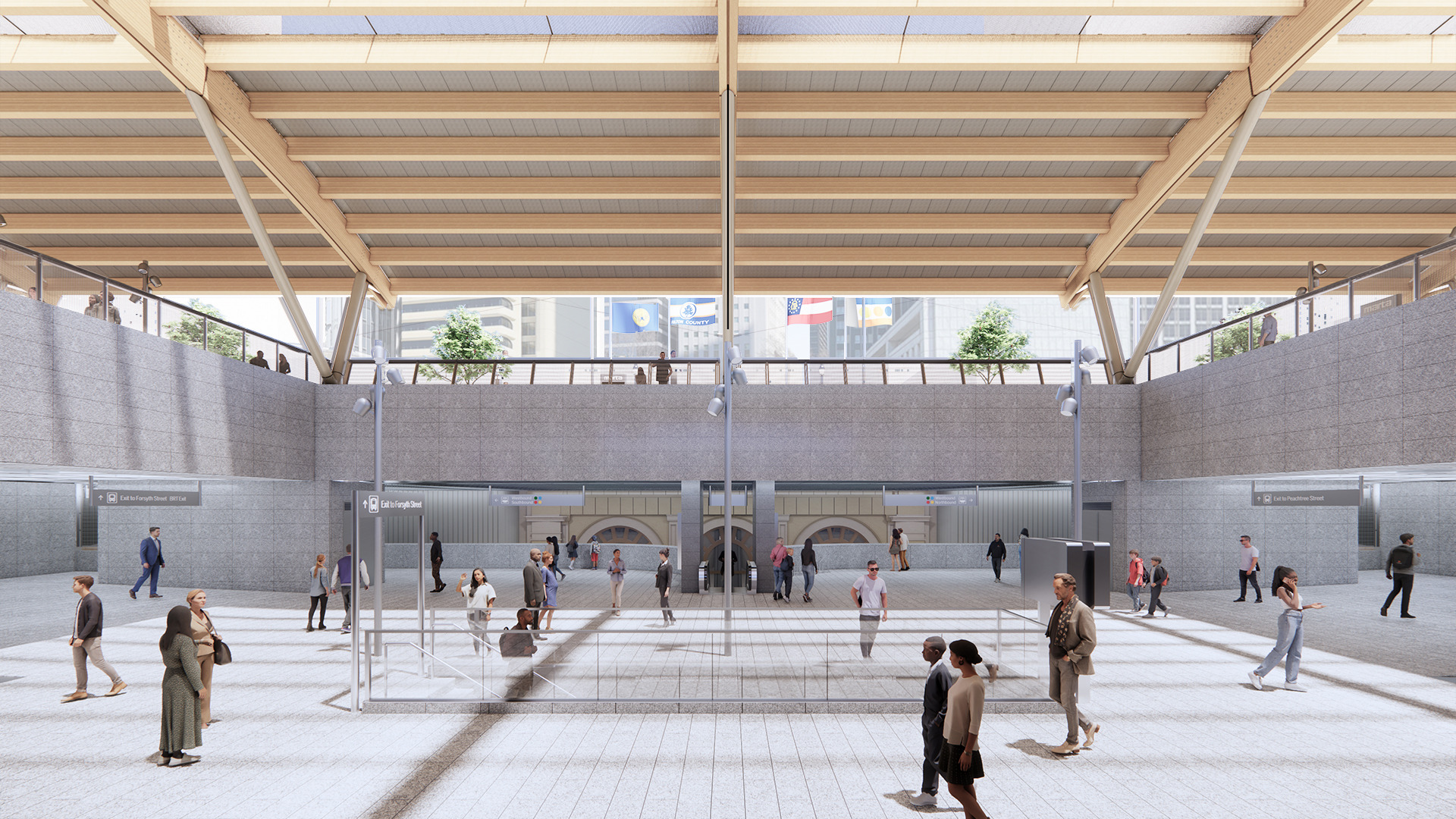
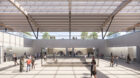
A major goal of the design is to bring daylight and openness back into the heart of the station. Removing the existing concrete canopy allows for a larger opening that channels sunlight and fresh air deep into the concourse and platforms below. 

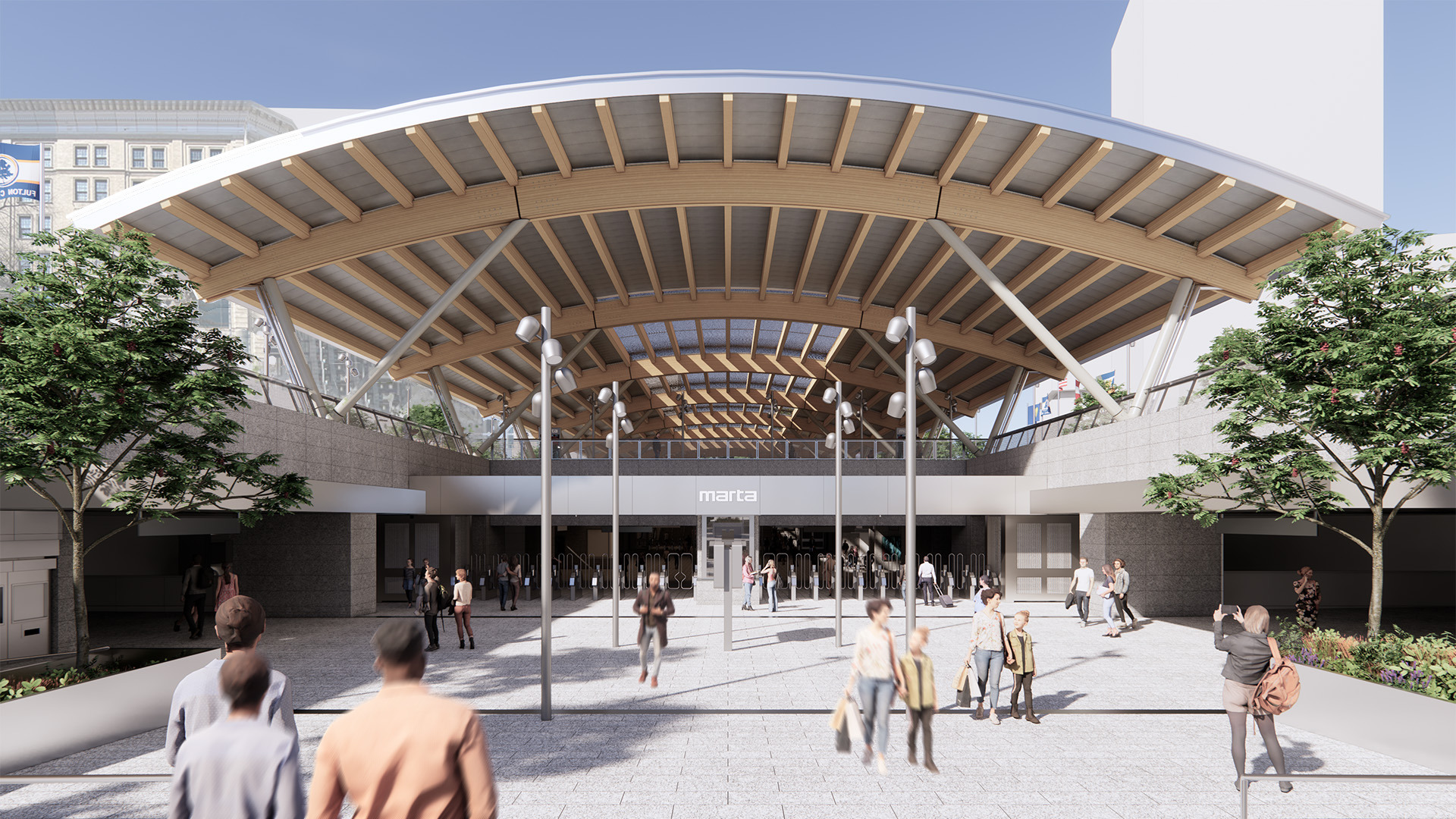
In its place, a new 32,000 square-foot mass timber and glass canopy unifies the plaza and introduces a warm, contemporary counterpoint to the station’s existing concrete structure. Generous overhangs protect travelers from the elements, while integrated skylights direct daylight into the concourse. Heroic V-shaped columns—aligned with the concourse’s structural grid—create an elegant and efficient framework that supports three new pedestrian entrances. Expressive in its simplicity, the canopy forms a new headhouse for the station, while improving access, wayfinding, and safety for travelers. 

Beneath the canopy, the central concourse is bathed in natural light, and intuitive pathways allow travelers to more easily navigate the station. A series of grand staircases and escalators descend to the concourse and platforms below grade, while a refined, earth-toned material palette—light gray granite floors and walls—establishes a clean, cohesive aesthetic. 

© SOM

Honoring Atlanta’s history

Five Points Station sits at Atlanta’s original zero-mile marker—the historic point where five main streets once converged. To honor this legacy, the project integrates opportunities for art to shape the station’s identity and reconnect it with the communities it has long served. Dark paver bands engraved with text trace a timeline of significant milestones in the city’s development, transforming the plaza floor into a narrative path that links past and present. In collaboration with MARTA’s Artbound program, local muralists will contribute artwork throughout the station that celebrates downtown’s cultural history and the neighborhoods that have historically shaped the city. 

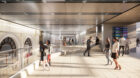
Within the central concourse, travelers encounter a piece of Atlanta’s architectural history: the richly ornamented terracotta facade of the Eiseman Building, a 1901 structure that was demolished to make way for the original Five Points Station and carefully reconstructed within the station in the 1970s. The recent renovation project involved restoring this landmark facade and heightening its visual impact through enhanced lighting, reinforcing the broader goal of stitching together Atlanta’s past, present, and future

© SOM

A sustainable design for community wellness

Sustainability and wellness are central to the design and site planning. The project prioritizes both natural and locally sourced materials, including stone pavers and a mass timber canopy constructed from southern yellow pine. The design also introduces green amenity spaces including a community garden and sports field, along with plaza planters that meet the City of Atlanta’s tree requirements and green placement strategies. Together, these initiatives contribute to a greener public realm while promoting community health and wellbeing. 

More Projects

01/