Project
University of North Carolina Genome Science Building
Chapel Hill, North Carolina, United States
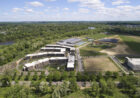
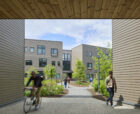
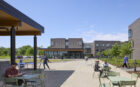
The largest expansion in Princeton University’s history, this master plan transforms former agricultural land into a sustainable campus neighborhood with graduate housing, athletic facilities, and infrastructure to advance the university’s carbon neutrality goals.
Nearly a century ago, Princeton University acquired agricultural land along the south side of Lake Carnegie in anticipation of future expansion. As the university planned for its next era of growth as part of the 2026 Campus Plan, the site offered an opportunity to extend the campus in a way that supports Princeton’s teaching, research, and student life, while advancing its commitment to achieving carbon neutrality over the next two decades. The time had come to finally make the leap over the lake.
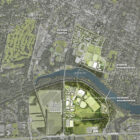
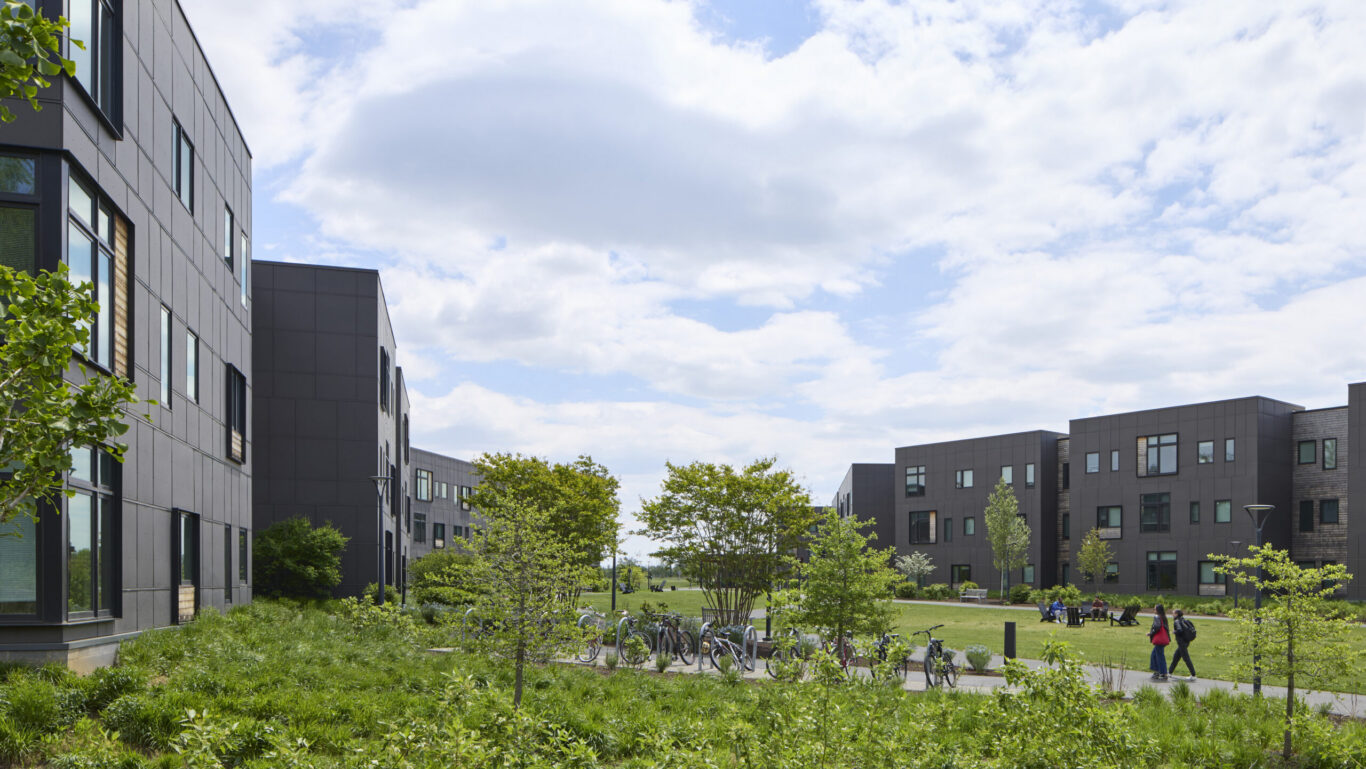
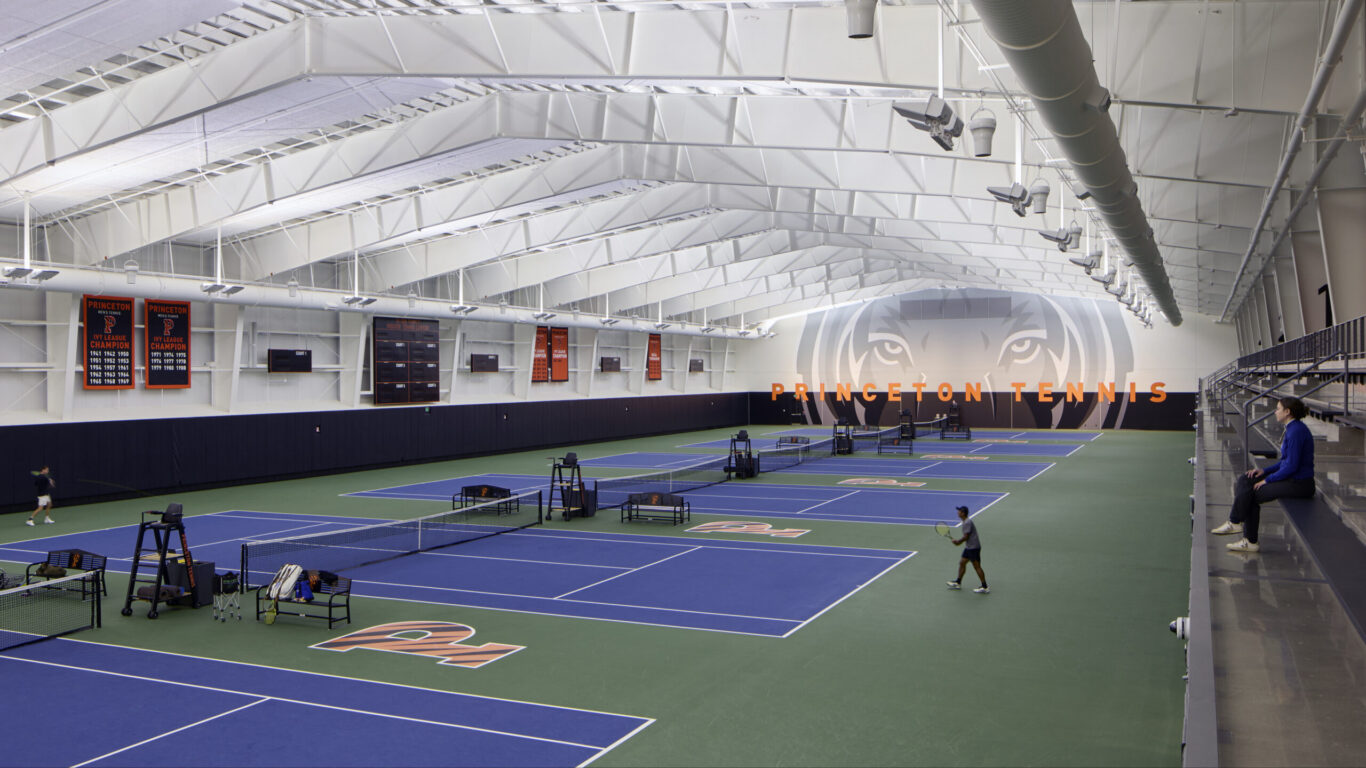
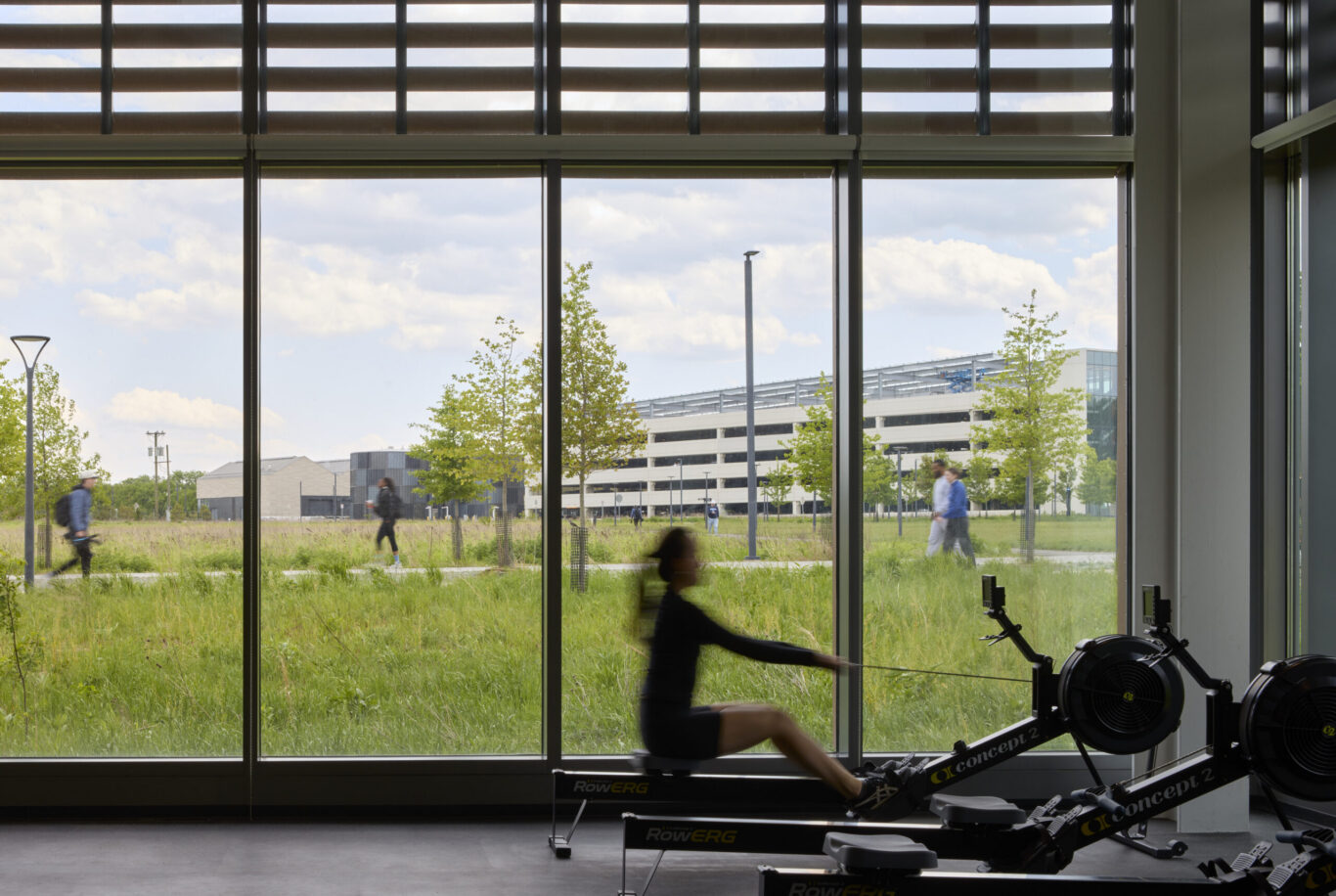
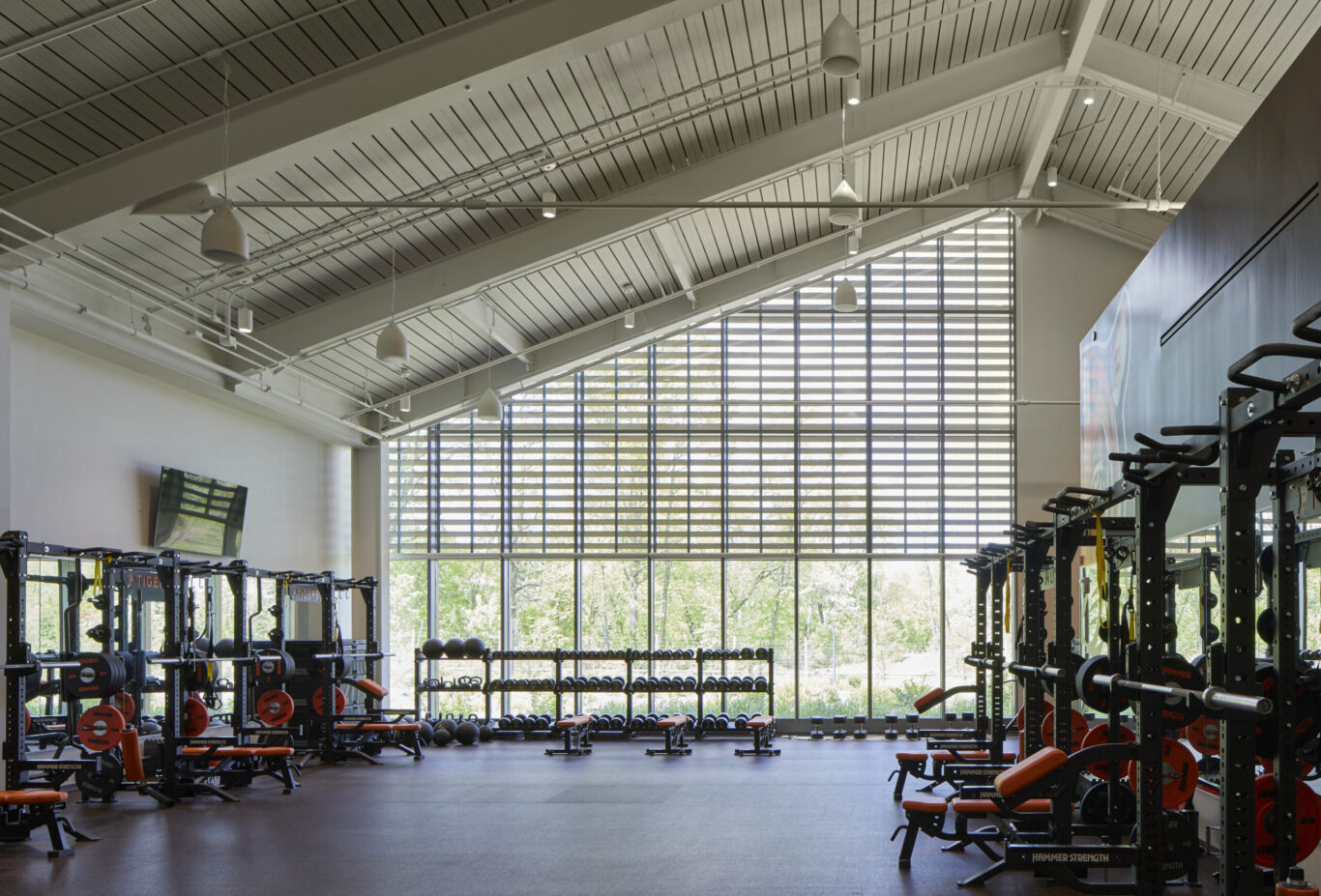
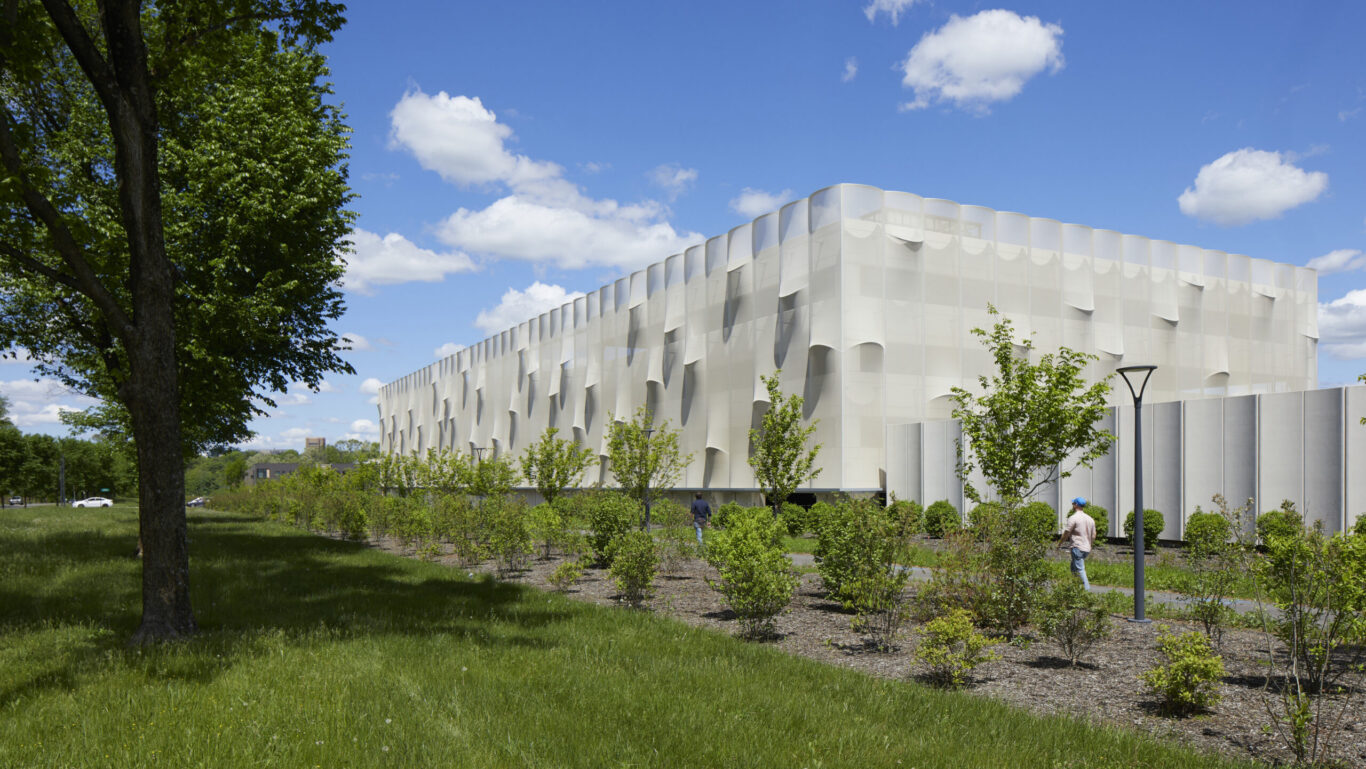
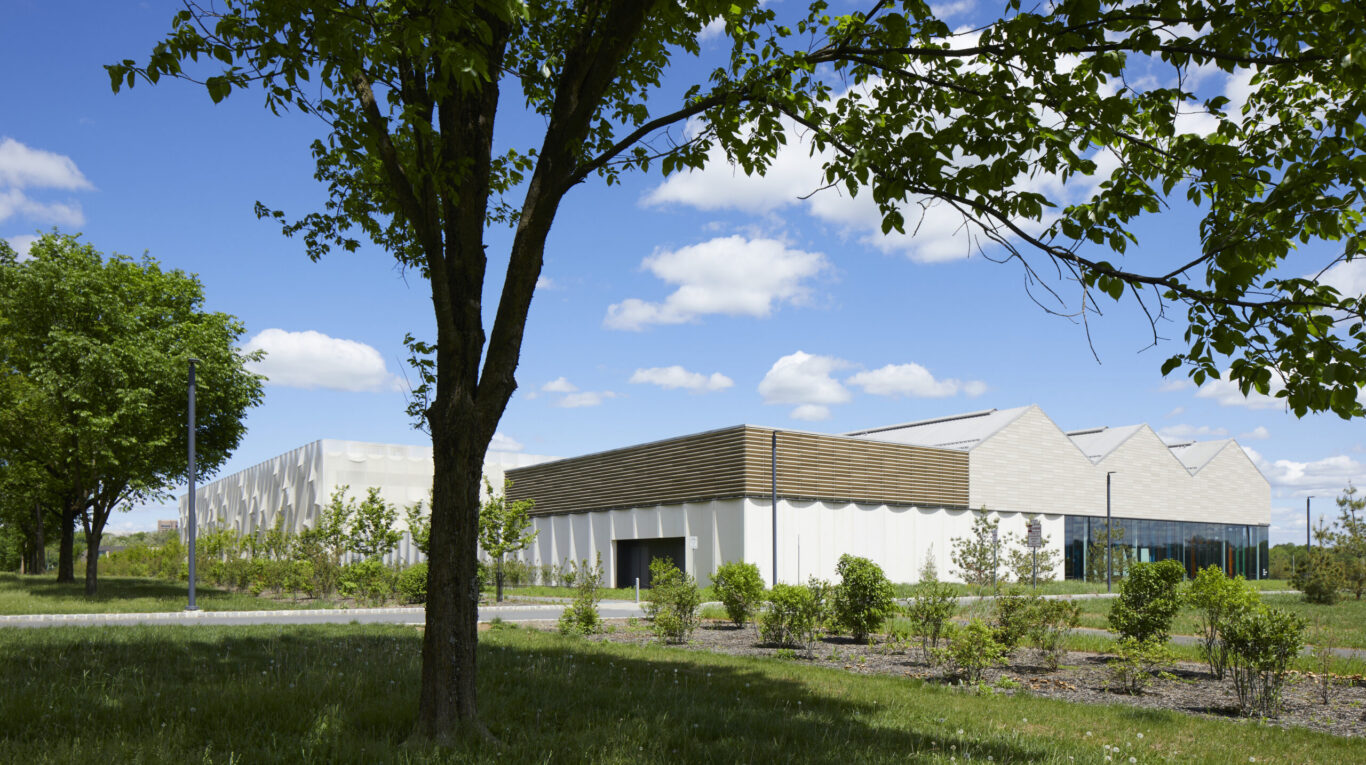
Spanning 85 acres, the Meadows Neighborhood master plan, developed by SOM in collaboration with Field Operations, establishes the framework for growth over the next 20 years. The plan includes graduate student housing, flexible research and administrative spaces, an athletics fieldhouse with shared fitness facilities, softball and baseball stadiums, multipurpose athletic fields, and generous communal gathering spaces, while preserving capacity for future development.

For the first phase, which officially opened in 2025, SOM led planning, design, and implementation efforts across the entire new neighborhood. The work included approval of a General Development Plan with West Windsor Township, site and infrastructure design, and coordination with architects of eleven separate buildings to create a cohesive and livable campus experience.
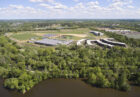
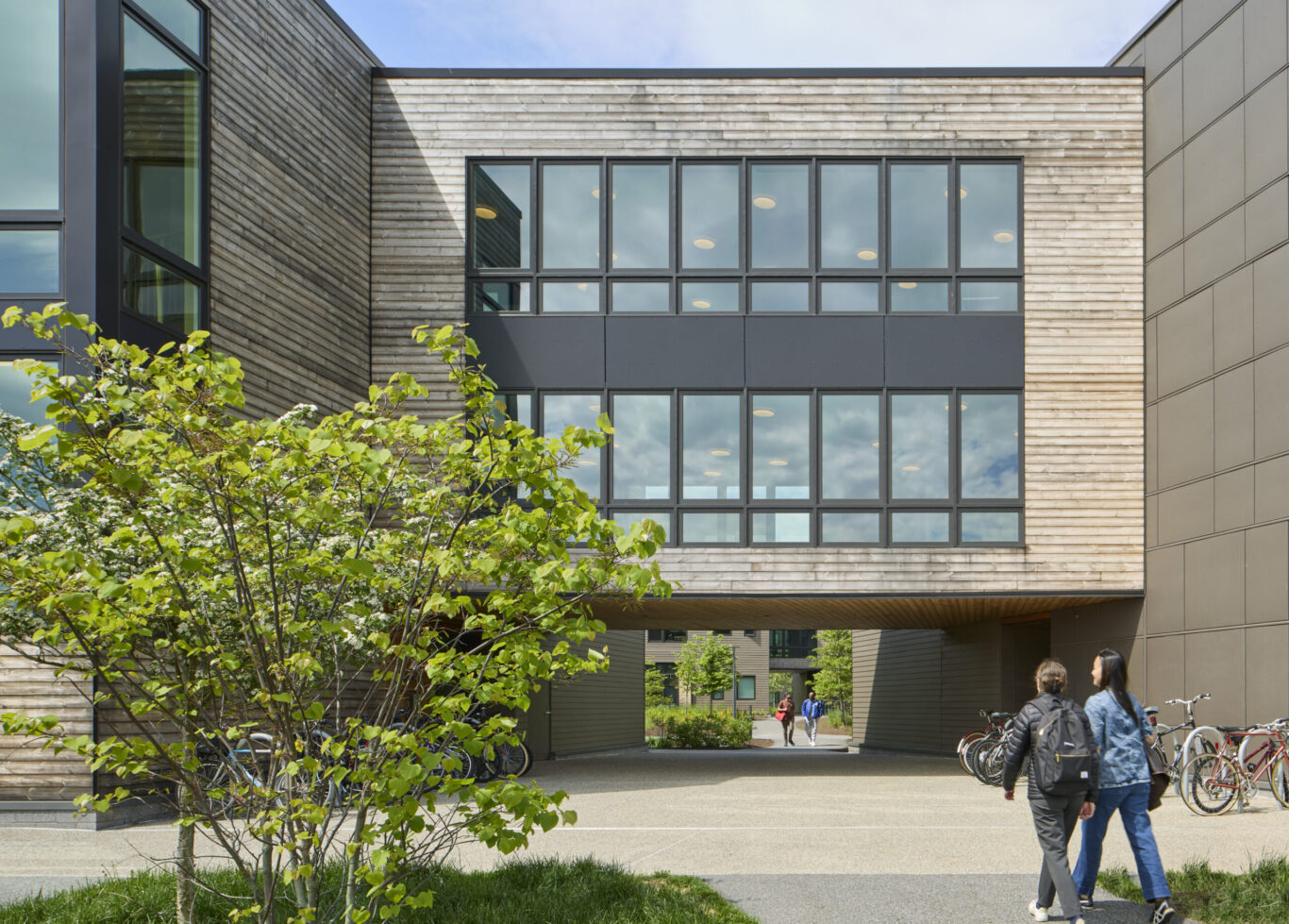
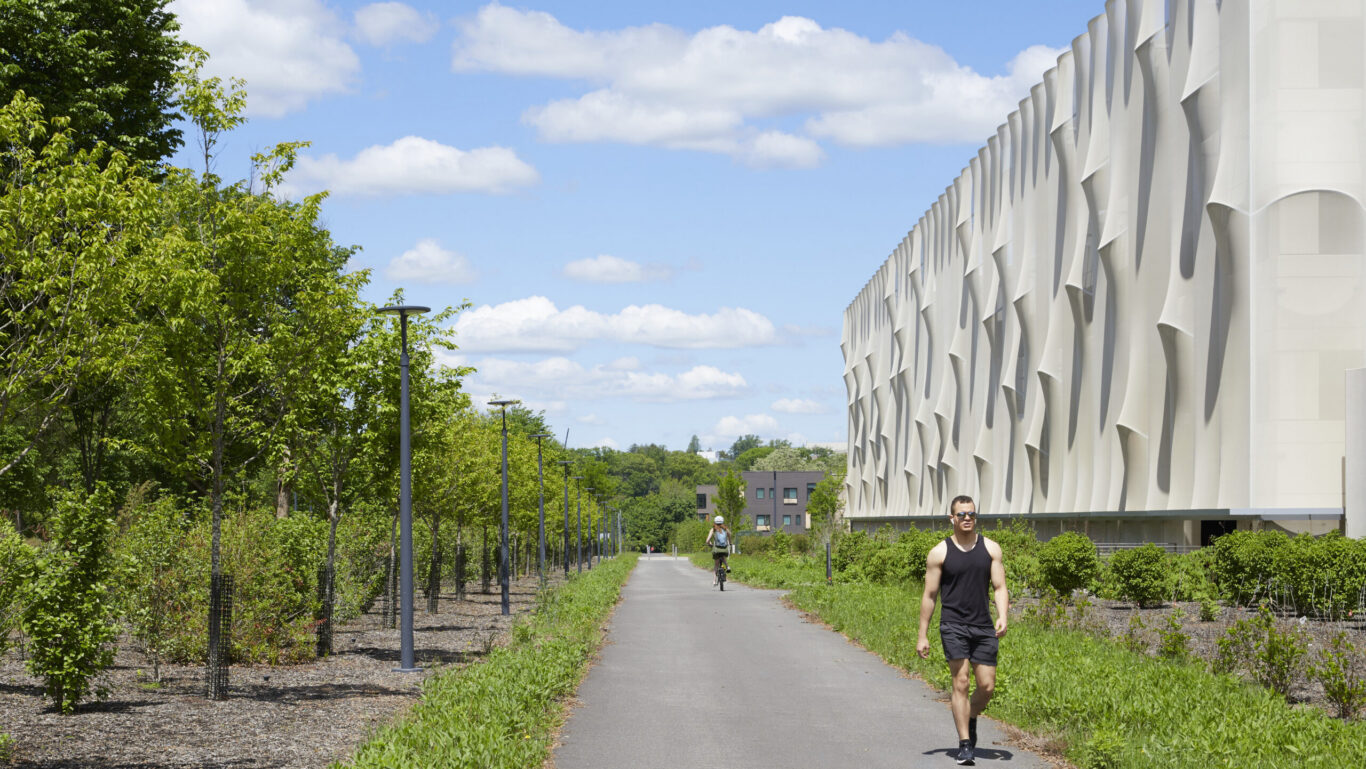
Conceived as both a natural extension of Princeton and a new neighborhood with its own identity, the plan draws on the design language of the historic campus while responding to the unique character of the site. Organized around a connected system of open spaces, the design preserves the character and openness of the existing landscape while creating a resilient and highly walkable environment. A series of “portals”—passageways through the buildings—echo a defining feature of Princeton’s historic campus and create connections that draw people into and through the neighborhood.
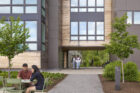
With a forest to the north and meadows to the south, the neighborhood is immersed in a distinctive natural landscape. Native plant communities throughout the site enhance biodiversity and frame a network of pedestrian pathways that connect buildings, recreation areas, and gathering spaces. A new cluster of graduate housing and athletic facilities anchors the northwest corner of the site around a civic green, creating a social heart for the neighborhood and a new gateway from the historic campus north of Lake Carnegie.
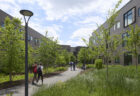
Connectivity is a key organizing principle of the plan. Along the site’s perimeter, pathways extend toward Lake Carnegie and the Delaware & Raritan Canal State Park to the north, open fields to the south and east, and Washington Road to the west. The plan also strengthens connections to Princeton’s existing campus and neighboring communities through new transit service, improved bike lanes, and sidewalks along Washington Road, the university’s primary southern gateway and the main connector between precincts. The historic Washington Road Elm Allée, a double row of Princeton Elms planted in the 1920s, is preserved and enhanced as part of the broader landscape design.
Athletic fields occupy the eastern portion of the site, while significant areas remain available for future development. Later phases may introduce flexible spaces for research, innovation, and industry partnerships, turning the neighborhood into a center for ideas and the heart of an innovation ecosystem.

Beyond creating new spaces for future generations of Princeton students, the Meadows Neighborhood plays a critical role in Princeton’s transition to a carbon-free energy future. Together with complementary infrastructure in the Stadium Neighborhood, the project utilizes an efficient, low-temperature hot water network powered by renewable energy.

Key to the plan is a new central utility building (the so-called TIGER CUB) and an extensive geo-exchange heating and cooling system that creates a campus-wide district energy network. Twenty acres of new solar arrays, along with other renewable sources, will ultimately provide almost all of the power for this all-electric system. Beneath the new softball and baseball stadiums, 500 geoexchange bores extend 600 feet down into the bedrock, creating an underground thermal reserve that can be tapped to heat and cool the campus throughout the year. In concert with campus-wide energy efficiency improvements—as well as LEED Gold certifications for the new buildings on the Meadows Campus—this system eliminates the need to burn fossil fuels for heating at Princeton and supports the university’s long-term decarbonization strategy.
Chapel Hill, North Carolina, United States



01/