
On May 16, Senior Associate Principal Michael Powell joined more than 300 experts, architects, scientists, and government leaders in Da Nang, Vietnam, for the event, “Architecture Adapting to Climate Change and Disaster Prevention: Solutions from Planning to Building Design.” Hosted by the Vietnam Association of Architects in collaboration with the Da Nang City People’s Committee, leaders convened across design, science, and government to discuss how cities in Central Vietnam can better prepare for the increasing risks of flooding, storms, sea level rise, and other climate-related challenges.
Powell’s remarks emphasized the economic and civic importance of resilient waterfront planning. Noting that approximately 60 percent of Vietnam’s GDP is generated in coastal and waterfront areas, he underscored that protecting major cities is also essential to protecting the country’s long-term economic vitality.

Drawing on international precedents—including sponge city strategies in China, living dikes integrated with public parks in Guangzhou, and Singapore’s flood-control systems—Powell described how resilient infrastructure can do more than mitigate risk. When planned holistically, these investments can also create new public spaces, improve quality of life, and support sustainable urban growth.
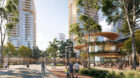
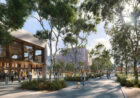
For Da Nang, Powell discussed the potential of restoring islands along the Han River to reduce water flow speeds, developing a “sponge city promenade,” shaping terraced urban districts along the river to better adapt to flooding, and creating a “super dike” integrated with My Khe coastal park to help reduce the impacts of storms and sea level rise.
The event reflected a broader shift in Vietnam’s planning discourse—from reactive disaster response toward proactive adaptation. Speakers called for protecting natural drainage corridors, preserving ponds, lakes, and streams, and applying emerging technologies such as AI, IoT, and digital twins to strengthen forecasting, early warning systems, and disaster-risk management.